Can Mold Grow Under Vinyl Flooring on Concrete? Causes, Signs & Solutions
Mold under vinyl flooring on concrete can grow when moisture gets trapped and has no way to dry. Concrete naturally holds water, and vinyl flooring can seal it in, creating a hidden damp space where mold slowly spreads. Most homeowners don’t notice it until they see floor damage or smell a musty odor.
This guide explains why mold forms under flooring, the warning signs to watch for, and how mold remediation helps remove it safely. You’ll also learn how mold inspection and testing can detect hidden growth early, along with simple mold prevention tips to protect your home and indoor air quality.
If left untreated, hidden mold can spread deeper into flooring layers and even affect nearby walls. This can lead to costly repairs and ongoing moisture problems, making early detection and proper treatment very important for long-term home safety.
Understanding Mold Growth Under Vinyl Flooring on Concrete
Mold can grow under vinyl flooring when moisture gets trapped between the concrete slab and the floor layer. Concrete may look dry, but it can hold water inside. When vinyl flooring blocks airflow, moisture stays trapped. This creates a perfect place for mold to grow. According to the U.S. Environmental Protection Agency, mold can begin growing within 24 to 48 hours when moisture is present.
This hidden growth makes early detection difficult. Homeowners often do not see the problem until damage spreads or odors appear. Understanding this risk is the first step in protecting your home and health.
Why Mold Grows Under Vinyl Flooring on Concrete
Mold growth under flooring usually happens due to moisture, lack of ventilation, or improper installation. Concrete floors can absorb water from leaks, humidity, or even the ground beneath the house. When vinyl flooring seals the surface, moisture gets trapped and mold begins to grow silently.
Moisture from Concrete Slabs
Concrete is porous, meaning it can absorb water like a sponge. If the slab is not properly sealed, water vapor rises and gets trapped under vinyl flooring. Over time, this creates damp conditions where mold thrives easily.
Poor Installation or Trapped Humidity
If vinyl flooring is installed without a moisture barrier, humidity becomes trapped underneath. Poor sealing around edges also allows water to enter. The CDC reports that damp indoor environments increase mold risks and can lead to long-term structural issues.
Signs of Mold Under Vinyl Flooring
Detecting mold under flooring is not always easy. Since it grows out of sight, homeowners must rely on indirect signs. These early warnings can help prevent serious damage and health risks if acted on quickly.
Visible Floor Changes and Surface Damage
One of the first signs is flooring that starts to warp, bubble, or discolor. Vinyl may lift at the edges or feel soft underfoot. These changes often point to moisture trapped underneath.
Persistent Musty Odor and Air Quality Changes
A strong, musty smell is a key sign of hidden mold. Even if the floor looks fine, the odor suggests mold growth underneath. Poor indoor air quality may also cause sneezing, coughing, or eye irritation. To learn more about mold inspection or mold prevention services, you can also check out various online sources.
Health Risks of Hidden Mold Exposure
Hidden mold can affect health over time, especially for children, elderly people, and those with asthma. Mold releases tiny spores into the air that can be inhaled without notice. The World Health Organization states that damp indoor environments increase respiratory risks and can worsen asthma symptoms.
Common health effects include coughing, throat irritation, headaches, and fatigue. Long-term exposure may lead to more serious breathing problems. This is why early detection and removal are very important for a safe home environment.
Mold Inspection and Testing Methods
Identifying hidden mold requires careful evaluation. A professional approach ensures accurate results and helps prevent unnecessary damage to flooring.
Professional Visual Assessment
A mold inspection often starts with a visual check of flooring, walls, and moisture-prone areas. Experts look for discoloration, moisture patterns, and odor sources. In many cases, this step helps identify areas needing deeper testing.
Air Sampling and Laboratory Analysis
When mold is not visible, indoor air samples may be collected. This type of mold testing measures spores in the air and compares them to safe levels. It helps confirm hidden contamination under flooring or behind walls.
In some regions, services like mold inspection Boca raton fl are commonly requested due to high humidity conditions that increase mold risks.
Professional Solutions for Mold Problems
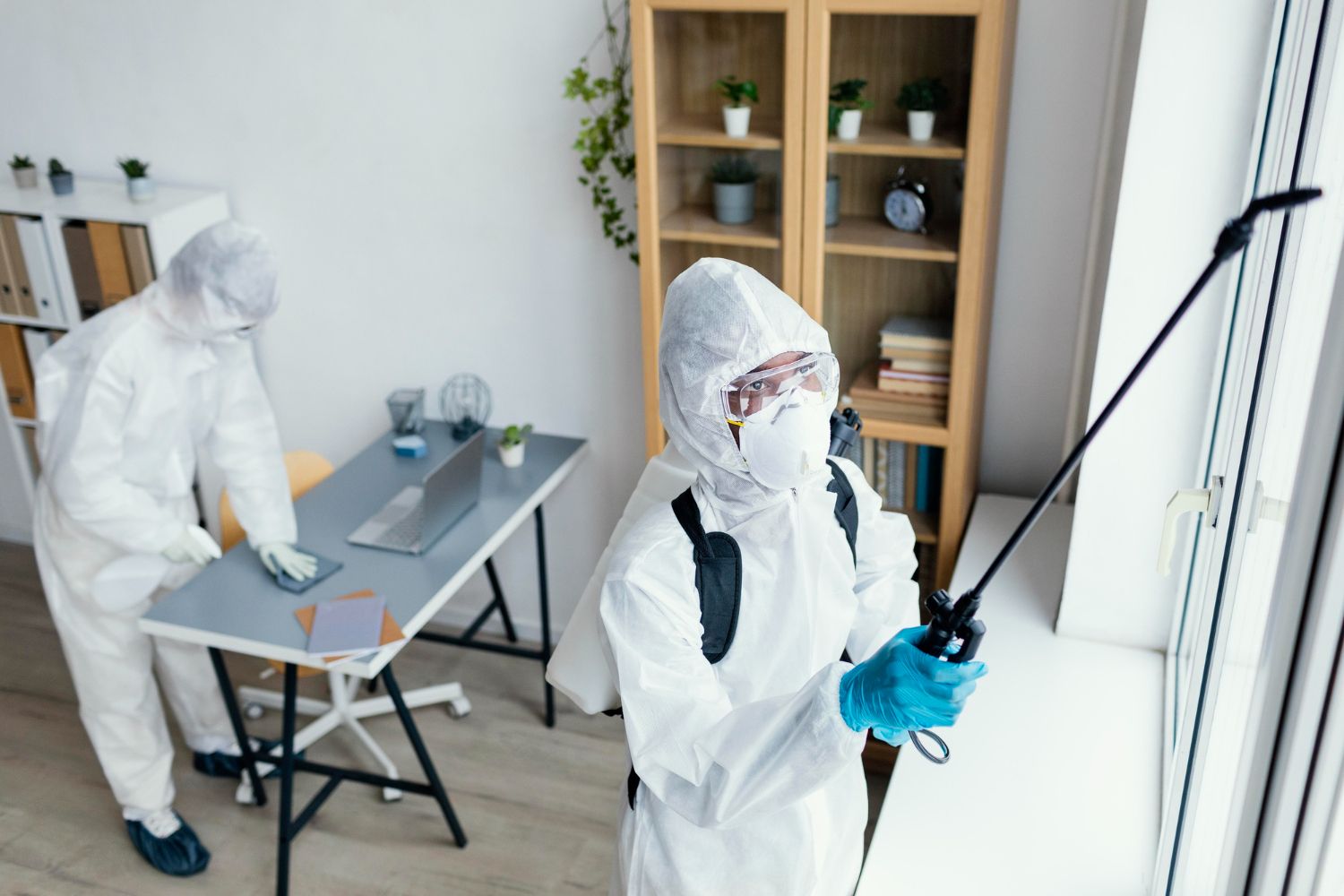
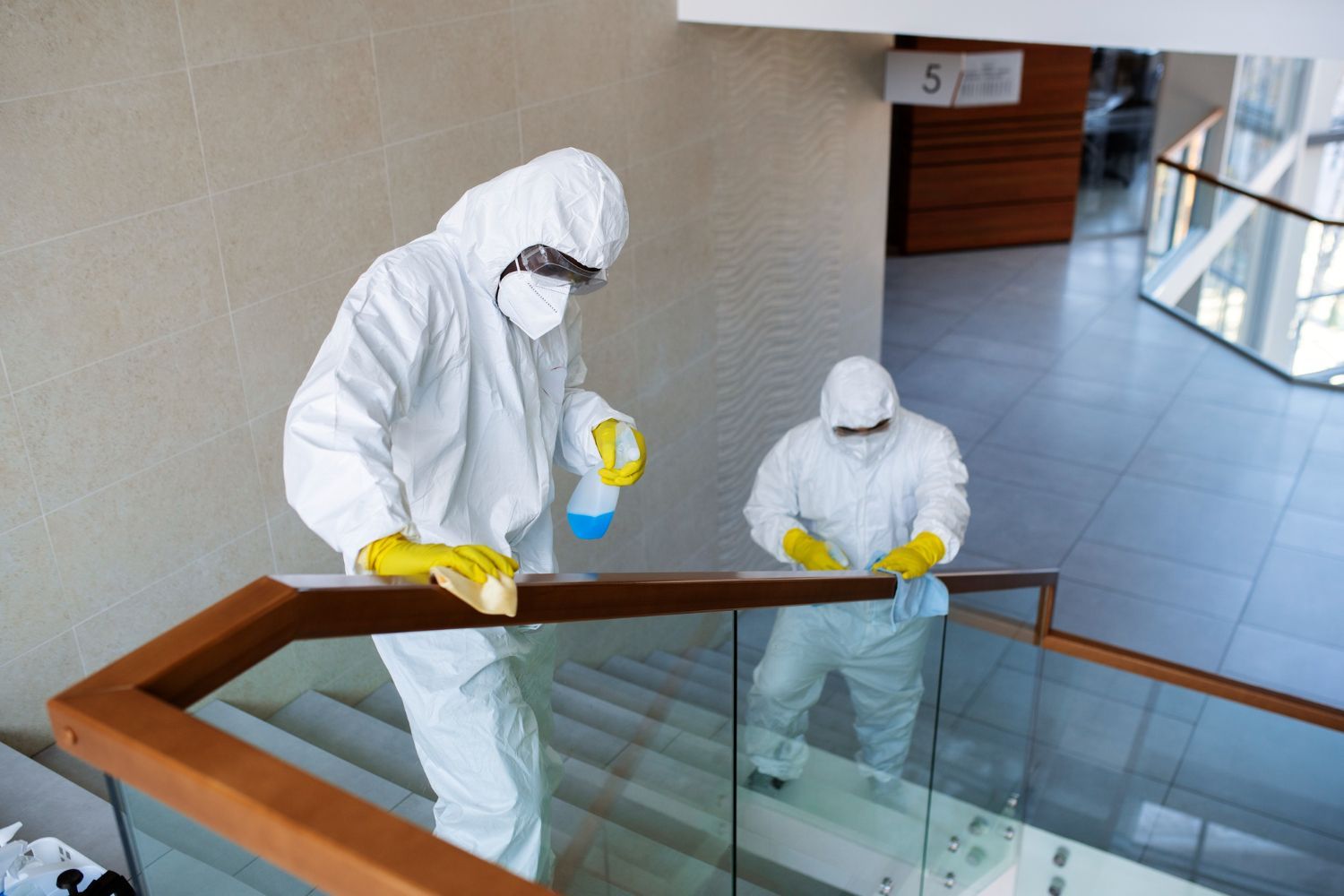
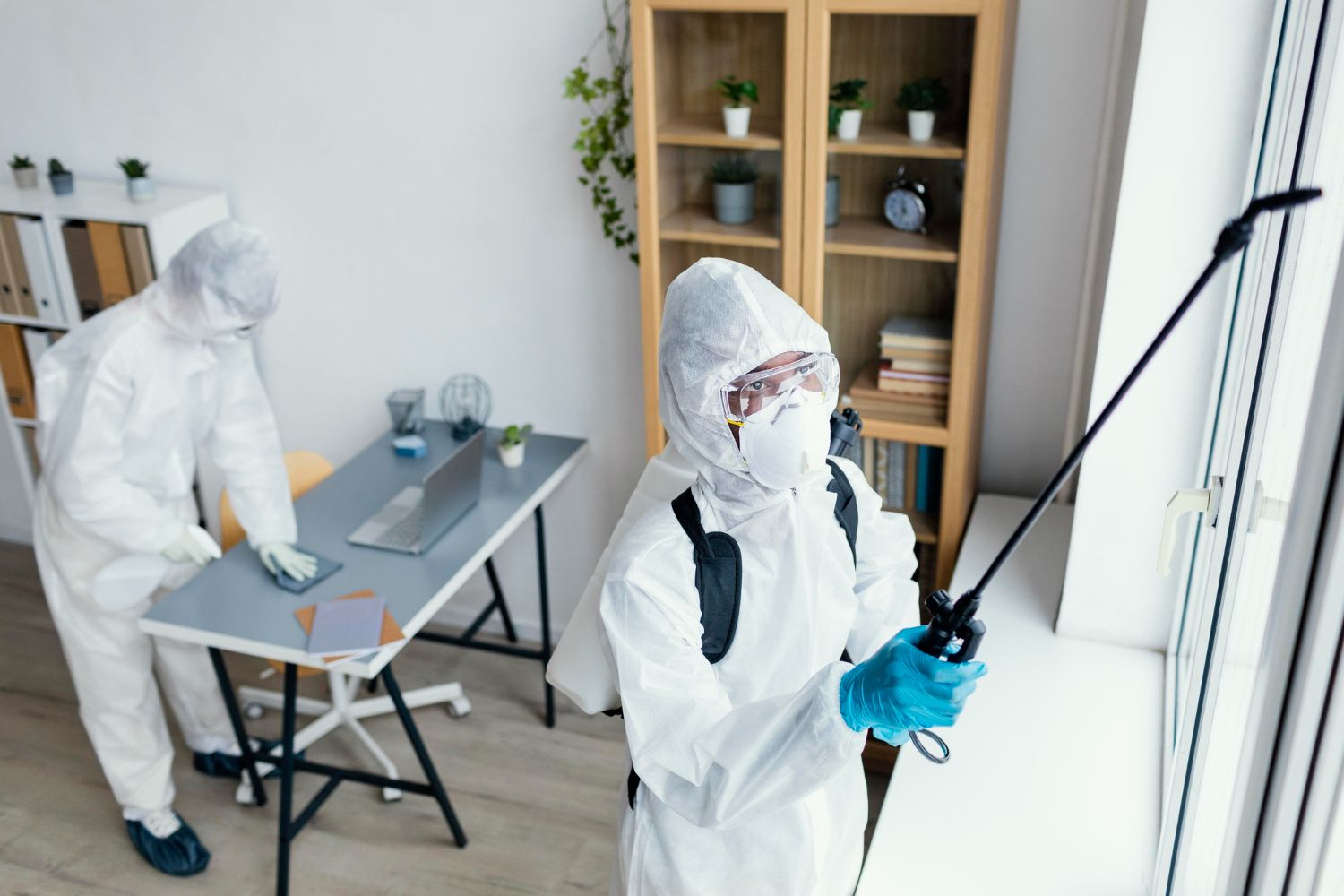
When mold is found under vinyl flooring, professional help is often required. The goal is not just to remove visible mold but to fix the moisture source so it does not return. This process is called mold remediation, which involves cleaning, containment, and prevention steps.
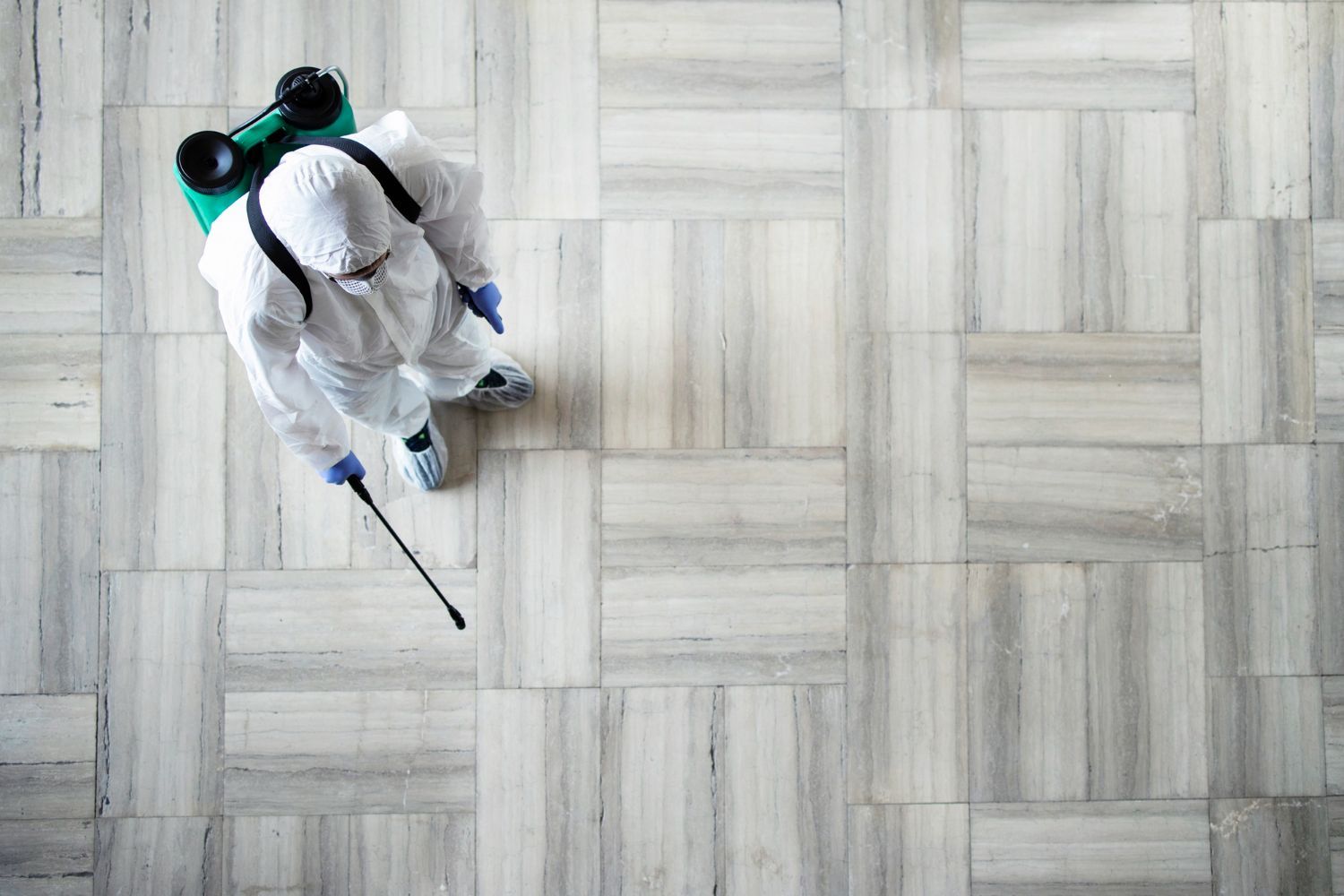
Experts first isolate the affected area to prevent spores from spreading. Then they remove contaminated materials and clean the surface using specialized equipment. Industrial drying tools are used to remove all remaining moisture.
According to EPA guidance, proper moisture control is the most effective way to prevent mold regrowth. Certified professionals follow strict safety standards to ensure the home is safe again.
Mold Removal Techniques for Vinyl Flooring and Concrete
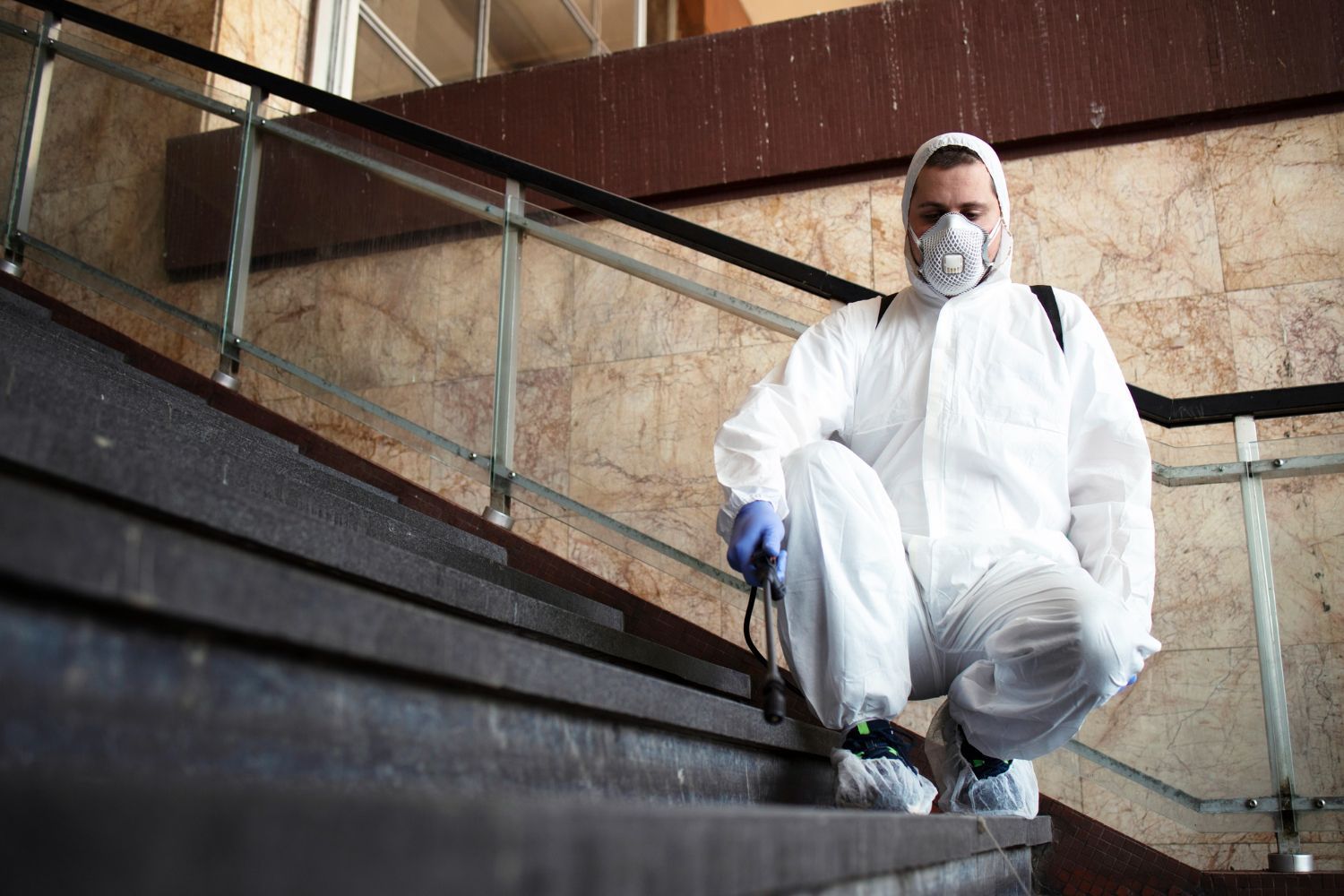
When mold is present under flooring, careful removal is required to avoid spreading spores. Damaged vinyl flooring is often removed completely. The concrete surface is then cleaned, treated, and dried thoroughly.
In many cases, professional mold removal includes HEPA vacuuming and antimicrobial treatment. These steps ensure that mold spores are eliminated from both visible and hidden surfaces. If moisture problems are not fixed, mold can return even after cleaning.
This is why experts always combine removal with moisture control solutions to ensure long-term protection.
Mold Prevention Tips for Homeowners
Preventing mold is easier and cheaper than fixing it later. Small changes in home care can make a big difference in keeping floors dry and safe.
Keep Moisture Levels Low
Use dehumidifiers in humid areas and fix leaks quickly. Proper ventilation in bathrooms and kitchens helps reduce moisture buildup.
Install Proper Flooring Barriers
A moisture barrier under vinyl flooring can help prevent water from reaching the surface layer. This is especially important on concrete floors.
Regular Home Maintenance
Check floors, walls, and plumbing systems regularly. Early detection helps stop mold before it spreads.
Following these Mold Prevention Tips can significantly reduce the risk of hidden mold problems in your home.
When to Seek Professional Help in Florida
Homes in humid regions face higher mold risks due to constant moisture in the air. In Florida, many homeowners search for professional help when they notice early warning signs. Local experts understand climate-related mold problems and offer tailored solutions.
Services like mold removal and inspection are often needed in coastal and humid environments. Early action can prevent costly repairs and health risks.
For trusted assistance, homeowners can Contact us at Mold Remediation in Boca Raton to get expert support, inspection, and safe treatment solutions designed for long-term protection.
Conclusion
Mold under vinyl flooring on concrete is a hidden but serious issue caused mainly by trapped moisture. It can affect both home structure and indoor air quality if ignored. Early signs like odors, floor damage, and humidity changes should never be overlooked.
Professional help ensures safe and complete cleanup, especially when dealing with hidden growth. If you suspect a problem, timely action is important to protect your home and health.
For expert guidance, inspection, and complete support with mold remediation, reach out today and take the first step toward a safer, healthier living space.
Frequently Asked Questions
Can mold really grow under vinyl flooring on concrete?
Yes, mold can grow under vinyl flooring on concrete when moisture gets trapped. Concrete can hold water, and vinyl flooring can block airflow, creating a damp space where mold slowly develops without being seen.
What are the first signs of mold under flooring?
Common early signs include a musty smell, soft or uneven flooring, bubbling vinyl, and unexplained discoloration. These signs often appear before mold becomes visible on the surface.
Is mold under flooring dangerous?
Yes, it can affect indoor air quality. Mold spores may spread into the air and cause allergies, coughing, or breathing issues, especially in sensitive individuals like children or the elderly.
How is hidden mold detected?
Professionals use mold inspection and testing methods such as air sampling and moisture detection tools. These help identify mold even when it is not visible under the flooring.
Can mold be removed without replacing the flooring?
In some cases, small mold growth can be treated, but often affected flooring must be removed to fully clean and dry the surface. Proper mold remediation ensures the problem does not return.
Recent Post