Mold Prevention Tips for Boca Raton Offices and Commercial Buildings
Mold growth in offices and commercial buildings is a serious concern for building owners and facility managers. In Boca Raton, Florida, the subtropical climate with high humidity and frequent rainfall makes commercial mold prevention Boca Raton crucial. Mold not only affects structural integrity but also reduces indoor air quality and can cause health problems for employees.
Preventive strategies include HVAC maintenance, monitoring water leaks, improving ventilation, and regular inspections. Implementing these measures early reduces costly remediation efforts, protects workplace safety, and ensures employees remain productive in a healthy environment.
Understanding Mold Risks in Commercial Buildings
Mold thrives in damp, warm, and poorly ventilated areas. Offices, storage spaces, and utility rooms often have the perfect conditions for mold growth if humidity and leaks are not controlled. According to the EPA, exposure to mold can lead to respiratory issues, allergic reactions, and long-term health concerns, particularly for employees with asthma or compromised immune systems.
Commercial buildings in Boca Raton are especially vulnerable due to tropical storms, high rainfall, and prolonged humidity. Understanding these risks allows managers to plan preventive measures such as regular inspections, proper ventilation, and routine maintenance.
Conducting Regular Mold Inspection
Regular Mold Inspection services in Boca Raton, FL are essential for identifying early signs of mold before it becomes a severe problem. Inspections focus on areas with water exposure, such as bathrooms, kitchens, storage rooms, and HVAC systems.
Professional inspectors use moisture meters, infrared cameras, and air sampling to detect hidden mold. According to the American Industrial Hygiene Association, early detection through inspections can reduce mold remediation costs by up to 50%. Consistent inspections are the first step in maintaining a safe and mold-free commercial environment.
HVAC Maintenance for Mold Prevention
HVAC systems can be a major source of mold if not properly maintained. Moisture can accumulate in ducts, air filters, and cooling coils, creating a perfect environment for mold spores. Regular HVAC maintenance controls humidity levels, improves airflow, and reduces mold risk.
A study by the Indoor Air Quality Association found that proper HVAC maintenance can improve indoor air quality by up to 30%. For commercial buildings, clean air systems not only prevent mold but also enhance employee comfort and reduce respiratory issues.
Addressing Water Leaks Promptly
Water leaks from roofs, plumbing, or windows are one of the leading causes of mold growth in offices. Even minor leaks can lead to mold colonization within 48–72 hours. Prompt detection and repair are critical for commercial mold prevention Boca Raton.
The National Institute of Standards and Technology reports that unchecked water leaks can compromise structural integrity and promote mold development. Regular monitoring, leak detection sensors, and immediate repairs reduce the likelihood of mold outbreaks and minimize expensive restoration projects.
Controlling Humidity and Improving Ventilation
High indoor humidity creates favorable conditions for mold. Maintaining indoor humidity levels below 50% is recommended to prevent spore growth. Dehumidifiers, proper ventilation, and air circulation help keep moisture under control.
Well-ventilated offices not only prevent mold but also improve indoor air quality and employee productivity. OSHA emphasizes that controlling moisture and providing adequate ventilation is essential to maintaining workplace safety and comfort.
Using Mold-Resistant Materials
Choosing mold-resistant construction and renovation materials can help prevent mold growth. Mold-resistant drywall, insulation, and paints are ideal for high-moisture areas like bathrooms, kitchens, and basements.
These materials are specially treated to resist fungal growth and can reduce long-term maintenance costs. Facilities using mold-resistant materials report fewer incidents of mold and associated damages, saving time and money while maintaining a healthier office environment.
Implementing Mold Testing Procedures
Mold Testing is a critical tool for identifying both visible and hidden mold contamination. Professional Mold Testing assesses spore levels, species, and potential health risks, providing data to guide remediation efforts.
Regular testing is recommended after water damage or as part of routine inspections. Testing ensures accurate identification and targeted removal, preventing unnecessary remediation and protecting indoor air quality for employees.
Professional Mold Remediation Services
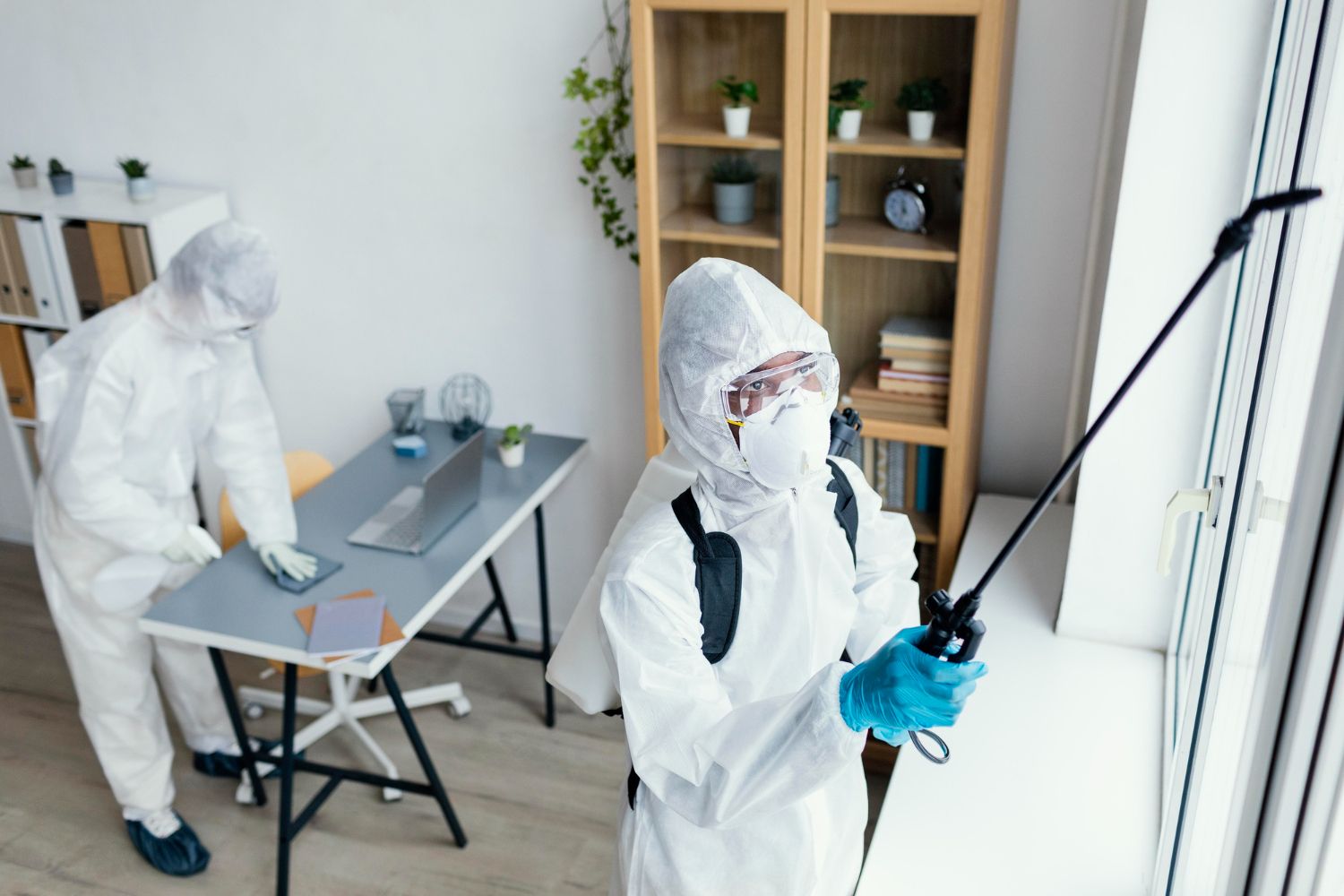
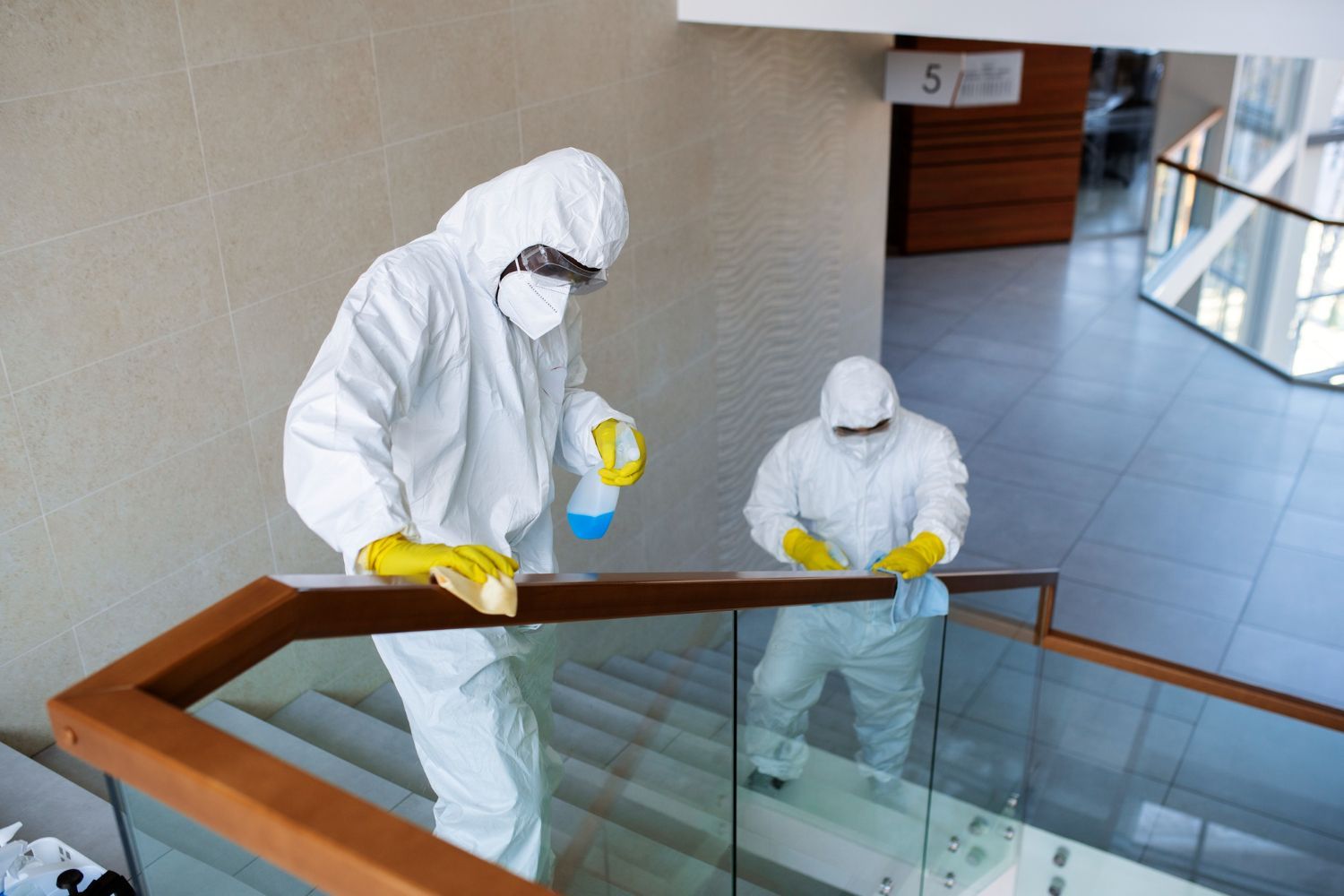
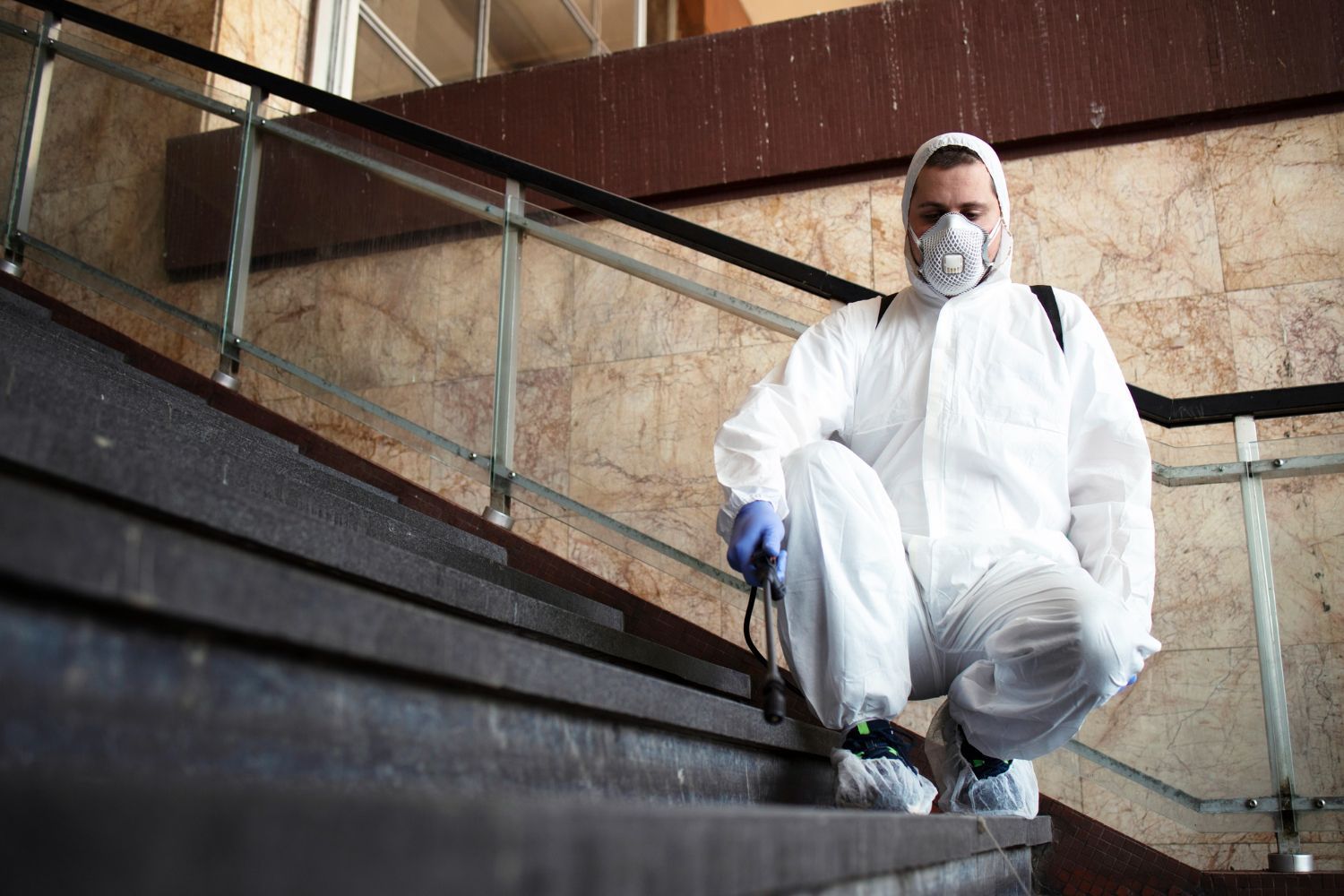
Even with preventive measures, mold can sometimes develop. Professional Mold Remediation ensures complete and safe removal of mold from commercial properties.
Remediation may include cleaning or replacing contaminated materials, disinfecting surfaces, and addressing underlying moisture issues. According to the Mold Remediation Industry Association, professional remediation reduces recurrence rates by over 70%. Engaging a Mold specialist in Boca Raton guarantees thorough treatment and long-term protection for your workplace.
Monitoring Indoor Air Quality
Indoor air quality monitoring is an effective way to detect mold risk early. High humidity, musty odors, or increased respiratory complaints among employees can signal a developing mold problem.
Using air quality monitors, moisture sensors, and regular HVAC inspections allows facility managers to maintain safe and healthy indoor environments. Proper monitoring reduces absenteeism, improves productivity, and safeguards employee health.
Workplace Safety and Mold Awareness
Mold affects workplace safety and employee well-being. Training staff to recognize leaks, moisture buildup, or visible mold is essential. Establishing reporting protocols ensures prompt intervention before issues escalate.
Proactive workplace education reduces health risks, prevents structural damage, and lowers legal liability. OSHA recommends integrating mold awareness into workplace safety programs for commercial buildings, particularly in humid climates like Boca Raton.
Establishing a Regular Maintenance Schedule
Routine maintenance is vital for long-term mold prevention. Scheduled inspections, HVAC cleaning, leak monitoring, and mold testing create a proactive approach that prevents mold from developing.
Buildings that follow regular maintenance plans experience fewer mold-related insurance claims and lower restoration costs. A structured program ensures early detection, effective prevention, and healthier work environments.
Working with a Mold Specialist in Boca Raton
Hiring a Mold specialist in Boca Raton ensures your property receives expert attention tailored to local conditions. Specialists provide inspections, testing, remediation, and preventive strategies that address the city’s high humidity and heavy rainfall.
Local expertise is invaluable for compliance with Florida regulations and for recommending effective solutions. A qualified specialist ensures that mold is eliminated safely, reducing risks to both the building and its occupants.
Conclusion
Preventing mold in Boca Raton offices and commercial buildings is essential for employee health, workplace safety, and property value. Effective strategies include regular HVAC maintenance, prompt leak repairs, indoor air quality monitoring, mold testing, and professional remediation when necessary. Implementing these measures ensures a safe, productive, and mold-free environment. For comprehensive mold prevention and expert services, Contact us Mold Remediation in Boca Raton today and protect your commercial property before mold becomes a problem.
Frequently Asked Questions
How often should commercial buildings undergo mold inspections?
Commercial offices should have inspections at least once a year or immediately after water damage events.
Can HVAC maintenance alone prevent mold?
No, while HVAC maintenance helps control humidity, leak repair, ventilation, and monitoring are also necessary.
What are the common signs of mold in offices?
Musty odors, visible discoloration, water stains, and employee respiratory issues often indicate mold presence.
Is professional mold remediation necessary for small patches?
Yes, even small areas can grow rapidly. Professional remediation ensures complete removal and prevents recurrence.
How does mold affect workplace safety?
Mold can trigger allergies, asthma, and poor air quality, impacting employee health and productivity.
Recent Post