
Removing mold is only part of solving a mold problem. If the moisture or humidity that caused the growth is not addressed, mold can return and create another issue for your property. Long-term prevention focuses on keeping indoor areas dry, improving airflow, and identifying water problems before they become serious. At Mold Remediation Boca Raton , homeowners can take practical steps after cleanup to reduce the conditions that allow mold to grow. With consistent maintenance and proper moisture management, it is possible to create a cleaner and healthier living environment. Why Does Mold Come Back After Removal? Mold needs moisture, oxygen, and a suitable surface to grow. Simply cleaning an affected area may not solve the underlying problem if excess moisture remains. Common reasons mold returns include: Unresolved plumbing or roof leaks Excess indoor humidity Poor airflow Condensation around windows and pipes Water-damaged building materials Inadequate bathroom ventilation Flooding or previous water intrusion Delayed drying after water damage Understanding the cause is essential. Once the source of moistu re is identified and corrected, the risk of recurring growth can be significantly reduced. Control Moisture to Reduce Mold Risk Moisture control is one of the most important parts of preventing recurring mold. Even a small, unnoticed leak can create conditions where mold develops again. Repair Leaks Promptly Check plumbing fixtures, pipes, ceilings, windows, roofs, and appliances for signs of leakage. Water stains, peeling paint, damp odors, or warped materials may indicate a moisture problem. Address leaks as soon as they are discovered. Waiting can allow moisture to spread into walls, floors, ceilings, and other building materials. Dry Wet Areas Quickly Water spills, leaks, and accidental flooding should be addressed promptly. Wet carpets, furniture, drywall, and other materials can retain moisture long after the surface appears dry. Use appropriate fans, dehumidifiers, or other drying methods when necessary, and pay particular attention to areas that are difficult to access. Improve Ventilation Throughout the Home Good ventilation helps move humid air outside and reduces condensation. Bathrooms, kitchens, laundry areas, and other moisture-producing spaces need adequate airflow. Use Bathroom Exhaust Fans Run exhaust fans while showering and for some time afterward. This helps remove warm, humid air before it settles on walls, ceilings, mirrors, and other surfaces. If a bathroom has persistent condensation, consider whether the existing ventilation system is adequate for the space. Improve Airflow in Enclosed Areas Closets, storage spaces, basements, and rooms with limited airflow can become vulnerable to moisture accumulation. Keep air moving where practical, avoid overcrowding storage areas, and ensure vents are not blocked by furniture or other objects. Maintain Indoor Humidity at a Healthy Level Humidity control plays an important role in preventing recurring mold. Excessively humid indoor conditions can encourage growth even when there are no obvious leaks. Maintaining proper humidity and moisture levels is an important step toward creating a mold free home . By keeping indoor spaces dry, improving airflow, and addressing leaks quickly, homeowners can reduce the conditions that allow mold to return. A hygrometer can help homeowners monitor indoor humidity. If humidity remains consistently high, a dehumidifier or improvements to the property's ventilation system may help. Pay special attention during periods of hot, humid, or rainy weather, when indoor moisture levels can increase. Watch for Condensation Condensation occurs when warm, humid air comes into contact with cold surfaces. Over time, r epeated condensation can create damp conditions that encourage mold. Common problem areas include: Windows and window frames Cold water pipes Exterior walls Air-conditioning components Areas behind large pieces of furniture Reducing indoor humidity and improving airflow around these locations can help minimize condensation. Keep Water Away from the Property Exterior water intrusion can create indoor moisture problems. Maintaining the outside of the property is therefore just as important as managing indoor conditions. Maintain Gutters and Downspouts Keep gutters clear of leaves and debris so rainwater can flow away from the building. Downspouts should direct water away from the foundation rather than allowing it to collect near exterior walls. Check the Roof and Exterior Walls Inspect the roof, flashing, windows, doors, and exterior surfaces for potential points of water entry. Damaged seals or deteriorated materials can allow rainwater to enter hidden areas. Early repairs can help prevent moisture from reaching interior building materials. Clean and Maintain Air-Conditioning Systems Air-conditioning systems can influence both temperature and humidity inside a property. Dirty filters, drainage problems, or other maintenance issues can contribute to excess moisture. Replace filters according to the manufacturer's recommendations and ensure condensate drainage systems remain clear. If an HVAC system is producing unusual moisture or condensation, have the issue evaluated rather than ignoring it. Monitor Previously Affected Areas Areas that have experienced mold or water damage deserve additional attention after cleanup. Check them periodically for musty odors, discoloration, dampness, or recurring condensation. Monitoring is particularly important after heavy rainfall, plumbing incidents, or other events that introduce additional moisture. Regular mold inspection services may also be useful for properties with a history of recurring moisture problems or significant water damage. Know When Further Professional Help Is Needed Some mold problems are connected to hidden moisture or extensive water damage. In these situations, attempting to handle everything independently may not address the underlying issue. Consider Professional Evaluation If mold repeatedly appears in the same location, there may be an unresolved moisture source behind walls, under flooring, above ceilings, or around plumbing. A professional can evaluate the affected area and determine whether additional investigation is appropriate. Understand When Mold Testing May Help Mold testing is not necessary in every situation, but it may sometimes be considered when there are specific concerns that cannot be resolved through a visual evaluation alone. A qualified professional can explain whether testing is appropriate based on the property's circumstances. Address Significant Problems Properly When extensive growth or moisture damage is present, professional mold remediation may be appropriate. Proper remediation focuses on controlling the affected area, addressing contamination, and correcting the moisture source. The objective should always be to resolve the conditions that allowed mold to develop in the first place. Follow Simple Mold Prevention Tips Consistent maintenance can make a major difference in keeping a property dry and reducing the likelihood of recurring growth. Useful mold prevention tips include: Keep indoor humidity under control. Use exhaust fans in kitchens and bathrooms. Repair plumbing and roof leaks quickly. Dry wet materials as soon as possible. Keep gutters and downspouts clear. Monitor areas with previous water damage. Maintain air-conditioning equipment. Avoid blocking ventilation openings. Check for condensation around windows and pipes. Inspect vulnerable areas after storms or heavy rainfall. These habits are simple, but following them consistently can help protect your property over time. Create a Long-Term Mold Prevention Routine Preventing mold is easier when property maintenance becomes a regular routine rather than a response to visible problems. Check humidity levels, inspect plumbing, monitor previously affected areas, clean ventilation equipment, and look for signs of water intrusion throughout the year. After major leaks, flooding, or other water events, act quickly. Prompt drying and professional evaluation when necessary can help prevent a small moisture issue from becoming a larger problem. Conclusion Preventing mold from coming back requires more than cleaning visible growth. Controlling moisture, maintaining appropriate humidity, improving ventilation, repairing leaks, and monitoring vulnerable areas can help reduce the conditions mold needs to grow. If recurring growth or hidden moisture is a concern and you want professional assistance in maintaining a mold free home, Contact us at Mold Remediation Boca Raton to discuss your property's needs and determine the appropriate next steps. Frequently Asked Questions
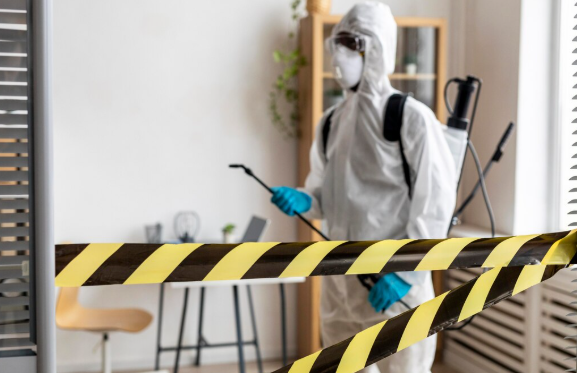
Mold can develop in hidden areas of a property and may remain unnoticed until visible growth, musty odors, or moisture problems become obvious. A professional inspection provides a systematic way to identify potential mold concerns and the conditions that allow them to develop. At Mold Remediation Boca Raton , inspections focus on finding the source of moisture and evaluating areas where mold may be present. Understanding what happens during an inspection can help homeowners and property managers make informed decisions about cleaning, repairs, and long-term prevention. What Is a Professional Mold Inspection? A professional mold inspection is a detailed evaluation of a property for signs of mold growth, excess moisture, water damage, and conditions that may support fungal growth. Unlike a quick visual check, a professional inspection follows a structured process. The inspector reviews the property's history, examines accessible areas, looks for moisture problems, and documents findings. The goal is not simply to locate visible mold. It is to determine why the problem may have developed and whether additional investigation or corrective action is necessary. What Does a Mold Inspection Include? A comprehensive mold inspection generally involves several important steps. Each part helps create a clearer picture of the property's condition. Initial Property Consultation The inspection typically begins with a discussion about the property's history. The inspector may ask about previous leaks, flooding, plumbing issues, odors, visible growth, condensation, or previous cleanup work. This information helps identify areas that deserve closer attention and allows the inspection to be tailored to the property's specific circumstances. Visual Mold Inspection A visual mold inspection involves examining accessible areas for visible growth, staining, d iscoloration, water damage, peeling materials, and other warning signs. Inspectors may check areas such as: Bathrooms and kitchens Basements, crawl spaces, and attics Around windows and exterior walls Under sinks and near plumbing fixtures HVAC-related areas Ceilings and walls affected by leaks Areas with previous water damage Visible signs do not always indicate the full extent of a problem. Mold can grow behind drywall, beneath flooring, or inside other concealed spaces, which is why visual observations are combined with other inspection methods. Moisture Detection Moisture is one of the most important factors in mold development. During an inspection, professionals may use specialized instruments to identify areas with elevated moisture levels. Moisture detection can help locate problems that are not obvious during a visual examination. For example, a wall may appear dry on the surface while retaining moisture behind the material. T he inspector may investigate potential sources such as: Plumbing leaks Roof leaks Poor ventilation Condensation Appliance leaks Water intrusion around windows or doors Previous flooding Finding the source of moisture is essential because addressing visible growth without correcting the underlying water problem can allow the issue to return. Mold Assessment A mold assessment evaluates the overall condition of areas where mold may be present. The inspector considers visible evidence, moisture conditions, building materials, air circulation, and the property's history. This process helps determine whether further investigation may be appropriate and whether professional cleanup should be considered. An assessment may also identify environmental conditions that could contribute to future mold growth, giving property owners an opportunity to address problems before they become more extensive. Documentation and Inspection Checklist Professional inspectors generally document their observations throughout the process. An inspection checklist may include areas examined, moisture readings, visible conditions, suspected sources of water intrusion, and recommendations. Photographs may also be taken to provide a visual record of significant findings. A detailed report can help property owners understand: Where potential concerns were identified What conditions contributed to the problem Whether oisture is present Which areas may require further evaluation What corrective steps may be appropriate Clear documentation is particularly useful for property manage rs, buyers, sellers, and homeowners dealing with recurring moisture problems. Is Mold Testing Always Included? Mold testing is not automatically necessary for every inspection. Whether sampling is appropriate depends on the circumstances, inspection findings, and the reason for the evaluation. In some situations, the primary concern is identifying visible growth and correcting the moisture source. In other cases, sampling may provide additional information when mold cannot be readily identified or when specific questions need to be answered. A qualified professional can explain whether testing would add value based on the conditions found during the inspection. When Should You Schedule an Inspection? Property owners may consider an inspection when they notice persistent musty odors, unexplained water damage, recurring condensation, visible mold, or signs of previous flooding. An inspection can also be useful after a significant water event or when moisture problems continue despite previous repairs. Regular mold inspection services may be particularly helpful for properties with a history of leaks, high humidity, or recurring moisture issues. Early evaluation can make it easier to identify contributing conditions before they become more difficult to address. What Happens After the Inspection? The next step depends on what the inspection reveals. If no significant concerns are identified, the inspector may provide recommendations for maintaining appropriate humidity levels, improving ventilation, and monitoring areas prone to moisture. If mold or significant moisture is discovered, corrective action may be recommended. Depending on the situation, this could involve repairing a leak, drying affected materials, removing damaged building materials, or arranging professional mold remediation . The inspection itself does not necessarily mean that extensive cleanup is required. The appropriate response depends on the size, location, source, and condition of the affected area. How Professional Inspection Supports Mold Prevention An inspection can do more than identify an existing problem. It can also reveal conditions that increase the likelihood of future growth. Homeowners can reduce moisture-related risks by: Repairing leaks promptly Improving bathroom and kitchen ventilation Maintaining appropriate indoor humidity Keeping gutters and drainage systems functional Addressing condensation around windows and pipes Drying wet materials quickly Checking areas with a history of water intrusion Following practical mol d prevention tips can help protect building materials and maintain a healthier indoor environment. Why Professional Evaluation Matters DIY inspections can be useful for spotting obvious problems, but hidden moisture and concealed growth can be difficult to identify without appropriate equipment and experience. A professional evaluation provides a structured approach that combines visual observations, moisture investigation, documentation, and condition assessment. When significant contamination is identified, professional mold remediation may be recommended to address the affected area safely and appropriately. The objective is not simply to make a surface look clean but to address the underlying conditions that contributed to the problem. Conclusion A professional inspection can provide valuable insight into visible mold, hidden moisture, water damage, and other conditions that may contribute to fungal growth. From the initial consultation and visual examination to moisture investigation, documentation, and recommendations, each step helps property owners understand what is happening inside their building. If you are concerned about moisture or mold and want to take the next step toward a mold free home, Contact us at Mold Remediation Boca Raton for professional guidance and an evaluation tailored to your property's needs. Frequently Asked Questions
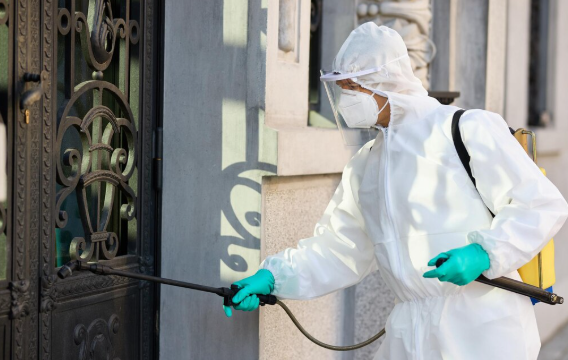
Mold can become a serious concern when moisture problems are left untreated for extended periods. It can grow in areas affected by leaks, humidity, or flooding and may spread if the underlying cause is not addressed. Understanding how professional solutions work can help property owners take timely action. Mold remediation services focus on identifying, controlling, and removing mold contamination while restoring a healthier indoor environment. The process involves more than simply cleaning visible growth because professionals also address moisture sources and prevent future problems. Understanding Mold Remediation and Its Purpose Mold remediation is a structured process designed to manage mold problems safely and effectively. Unlike basic cleaning methods, it focuses on reducing contamination, improving indoor conditions, and preventing mold from returning. Why Mold Problems Require Professional Attention Mold can spread through airborne spores and may affect areas that are difficult to access. Professional mold specialists use proper equipment and techniques to locate affected areas and reduce the risk of further contamination. The Importance of Addressing Moisture Sources Moisture is one of the main reasons mold develops. Issues such as leaks, poor ventilation, and water damage can create ideal conditions for growth. Correcting these problems is an essential part of long-term mold control. Common Signs That Indicate a Mold Problem Recognizing early warning signs can help property owners respond before the issue becomes more extensive. Some common indicators include: Musty Odors and Visible Growth A persistent musty smell or visible spots on walls, ceilings, and other surfaces may indicate a mold concern. Even small signs should be investigated to determine the extent of the problem. Ongoing Moisture or Water Issues Properties with repeated leaks, flooding, or damp areas may have a higher risk of mold development. Addressing moisture problems quickly can reduce the chances of widespread contamination. How the Mold Remediation Process Works The remediation process involves several important steps to safely manage mold growth and restore affected areas. Inspection and Assessment of the Affected Area Professionals begin by evaluating the property to identify moisture sources, affected materials, and possible contamination areas. A detailed assessment helps create an effective plan for treatment. A professional may recommend mold testing to better understand the type and level of mold present before starting corrective work. Containment of Mold-Affected Areas The next step is limiting the spread of mold spores to unaffected parts of the property. Specialists may use barriers, protective equipment, and specialized methods to keep contamination controlled. Removing Contaminated Materials Damaged materials that cannot be restored may need to be removed carefully. This step helps eliminate areas where mold can continue growing and prepares the space for restoration. Cleaning and Treating Affected Surfaces After removing contaminated materials, professionals perform thorough mold cleanup and apply appropriate treatments to affected areas. The goal is to reduce remaining spores and restore a cleaner indoor environment. Benefits of Professional Mold Treatment Handling mold concerns with expert support offers several advantages compared to attempting basic cleaning methods alone. Improved Indoor Conditions Professional services help address mold sources and reduce contamination, creating a more comfortable environment for occupants. Reduced Risk of Future Growth Experts focus on correcting moisture problems and applying preventive measures. Following mold prevention tips, such as controlling humidity and repairing leaks, can help maintain a healthier property. When Should You Schedule Professional Mold Services? Certain situations make professional assistance especially important. If mold returns after cleaning, if there has been significant water exposure, or if hidden areas may be affected, expert evaluation can provide a clearer solution. A regular mold inspection can also help identify early warning signs before they develop into larger problems. Testing Air Quality for Possible Mold Concerns In some situations, property owners may want to test for mold in air to check whether airborne spores are present. Professional assessments can provide more accurate information about indoor conditions. Choosing the Right Solution for Mold Problems Every mold situation is different, so the right approach depends on the size of the affected area, moisture conditions, and the level of contamination. Experienced professionals can recommend suitable steps based on the specific needs of the property. Reliable mold remediation services provide a complete approach that includes assessment, cleanup, treatment, and prevention strategies. Conclusion Mold remediation is an important process for addressing mold concerns safely and effectively. From identifying the source of moisture to completing detailed cleaning and restoration, professional support helps protect your property and indoor environment. If you are dealing with suspected mold issues or need expert assistance, Contact us Mold Remediation Boca Raton today to receive reliable guidance and solutions for your property . Frequently Asked Questions

Concerned about mold? Get professional mold testing services today. Contact experts for accurate detection and solutions to protect your property.
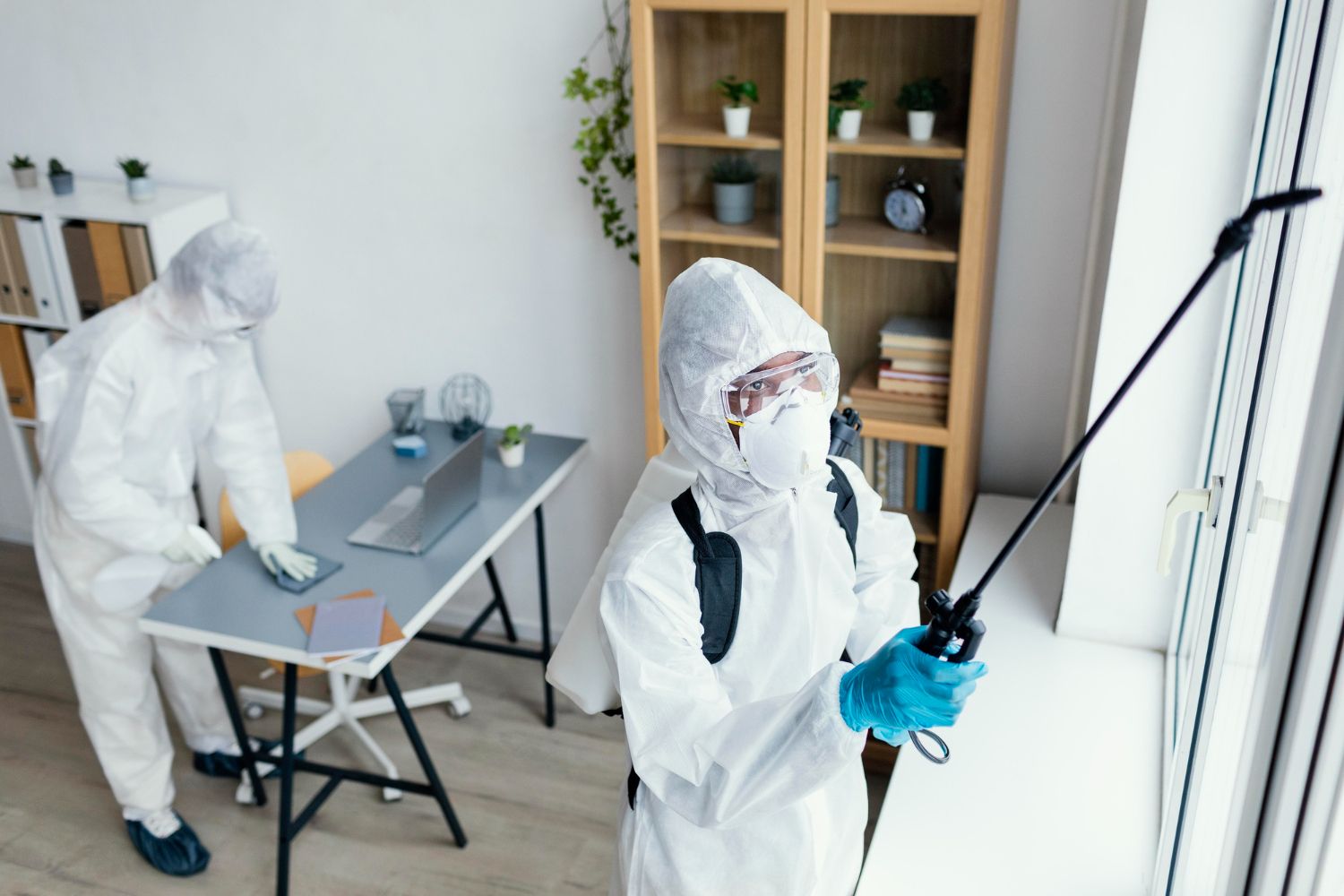
Learn how to test for mold in the air using air sampling, air quality tests, and detection methods. Explore expert insights on mold inspection, safety tips, and prevention strategies.
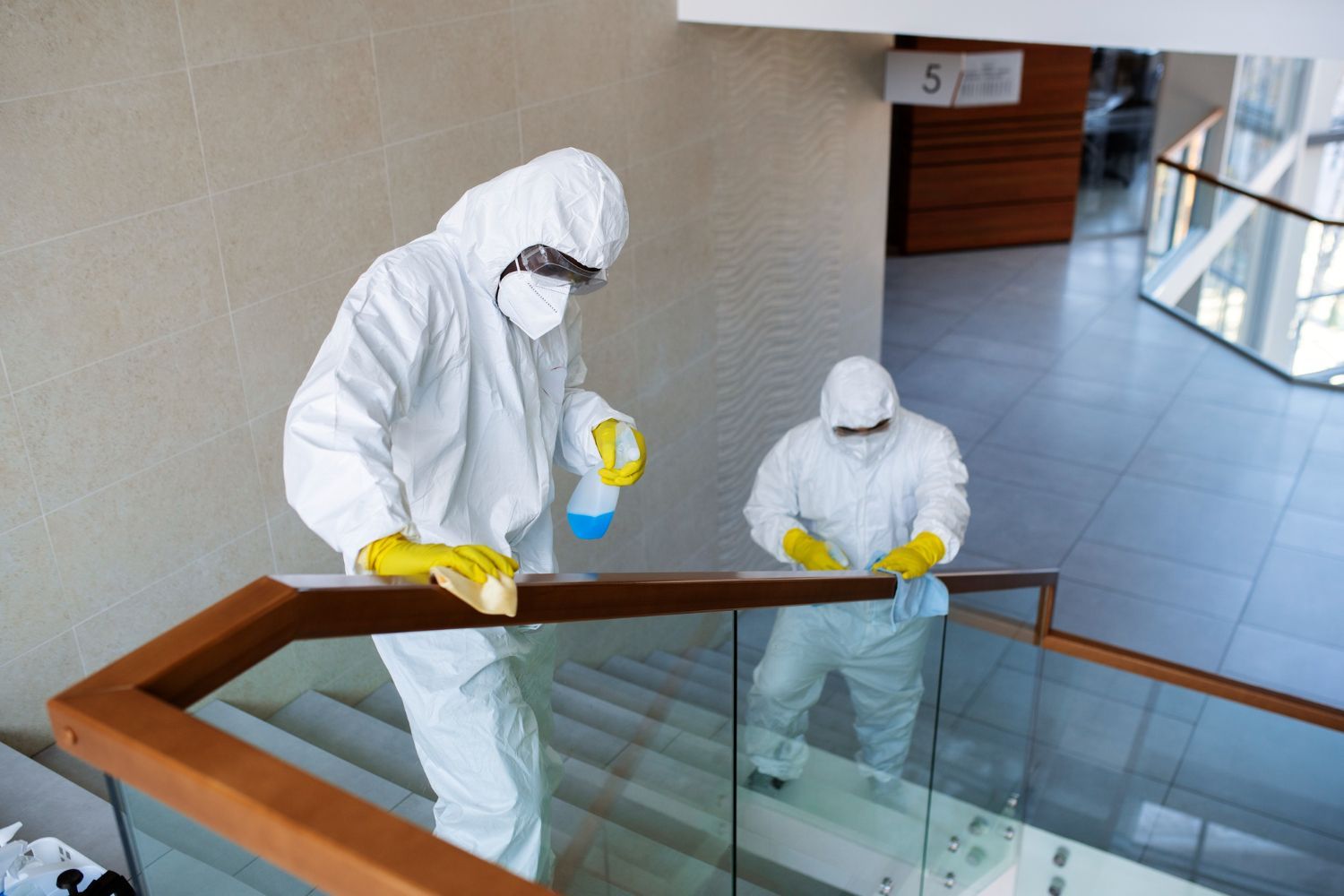
Learn how to remove mold from shower caulk naturally and effectively using safe methods. Discover causes, signs, prevention tips, and when to seek expert help.

Learn how mold grows under vinyl flooring on concrete, its signs, causes, and solutions. Discover expert insights on mold remediation, prevention tips, and inspection methods to protect your home. Contact us at Mold Remediation in Boca Raton for help.
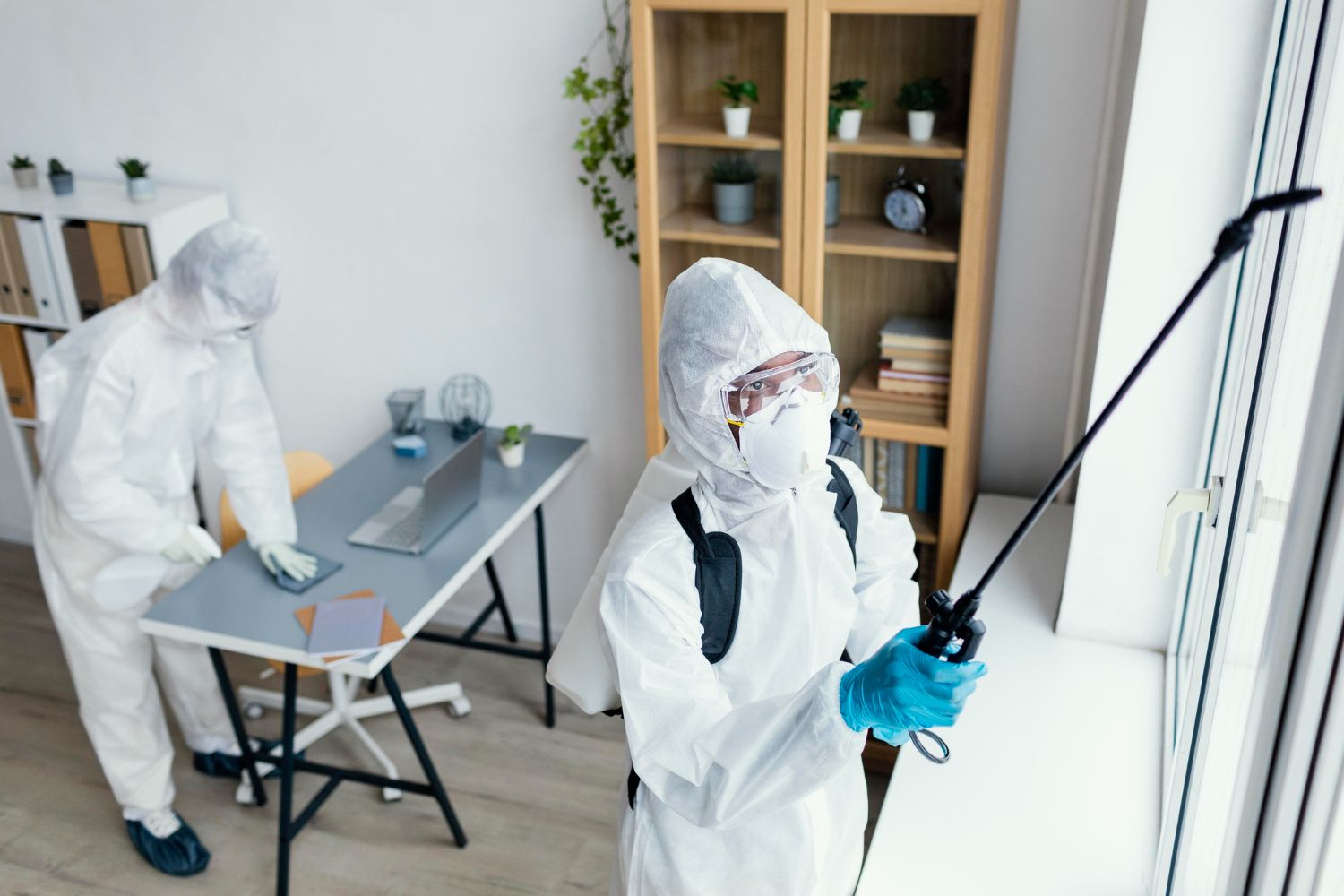
Learn how mold insurance works in Boca Raton. Understand coverage limits, claims, and prevention tips. Request expert help today.
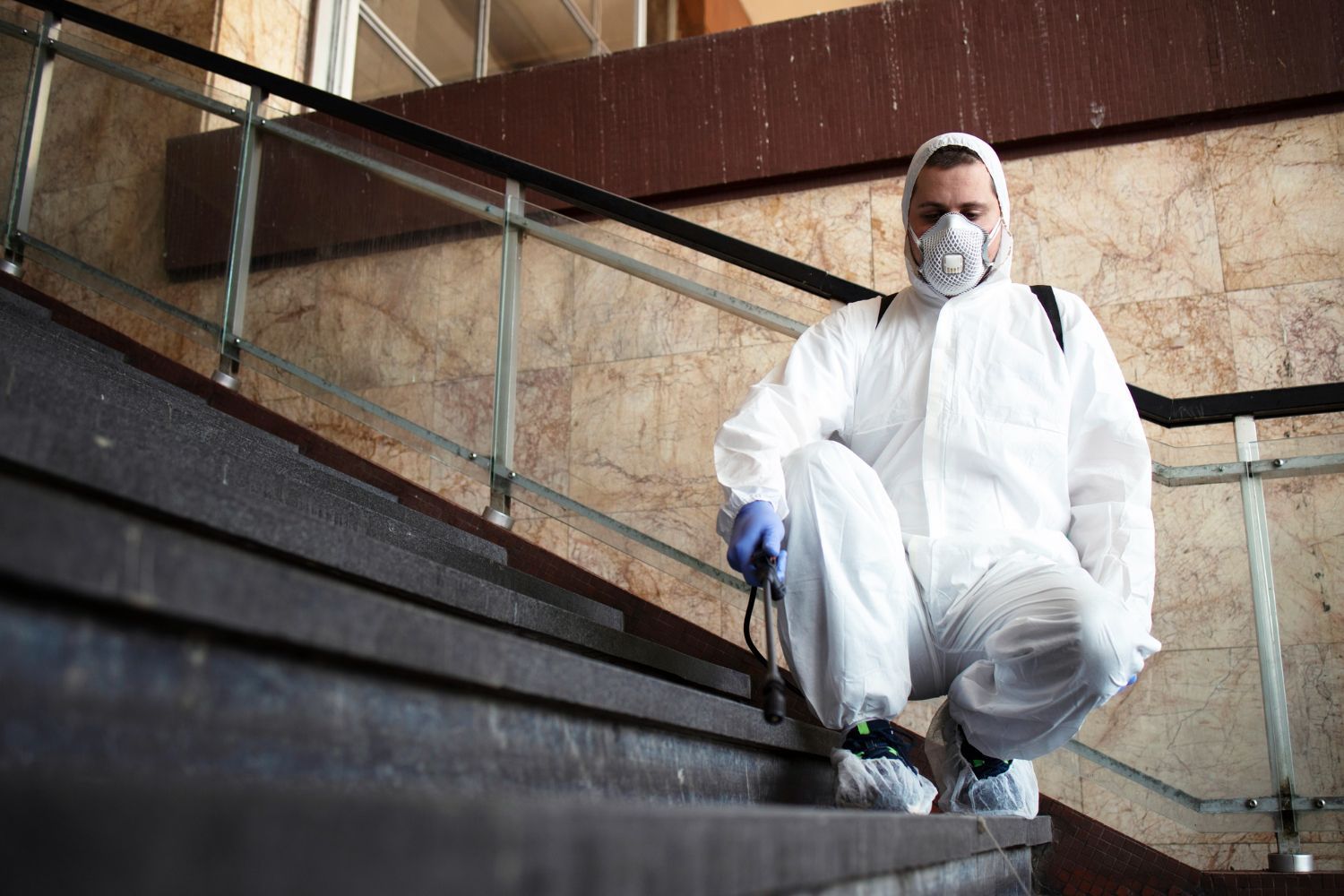
Protect your business with expert mold inspection in Boca Raton. Prevent risks, ensure compliance, and request a professional inspection today.
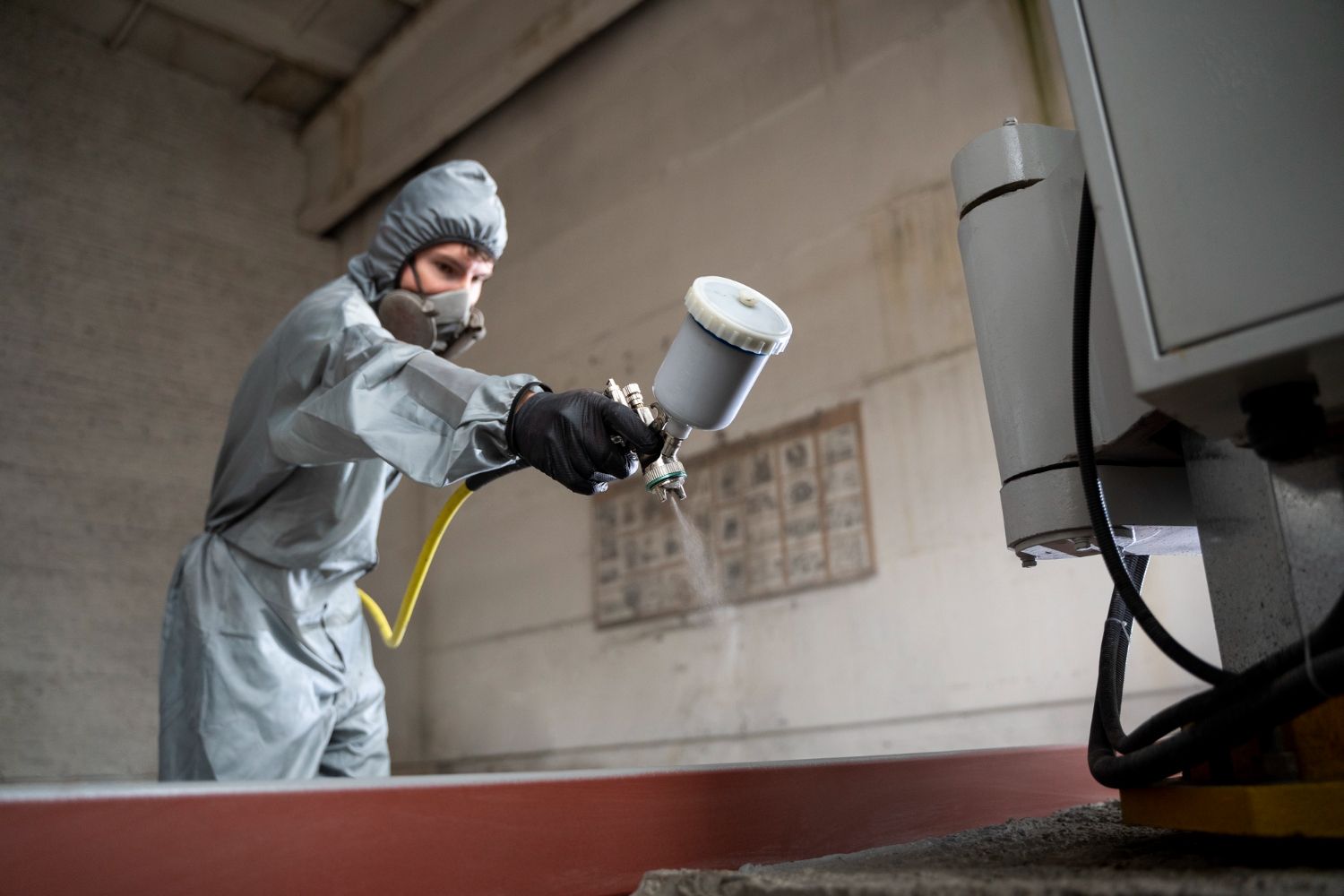
Mold growth in offices and commercial buildings is a serious concern for building owners and facility managers. In Boca Raton, Florida, the subtropical climate with high humidity and frequent rainfall makes commercial mold prevention Boca Raton crucial. Mold not only affects structural integrity but also reduces indoor air quality and can cause health problems for employees. Preventive strategies include HVAC maintenance, monitoring water leaks, improving ventilation, and regular inspections. Implementing these measures early reduces costly remediation efforts, protects workplace safety, and ensures employees remain productive in a healthy environment. Understanding Mold Risks in Commercial Buildings Mold thrives in damp, warm, and poorly ventilated areas. Offices, storage spaces, and utility rooms often have the perfect conditions for mold growth if humidity and leaks are not controlled. According to the EPA, exposure to mold can lead to respiratory issues, allergic reactions, and long-term health concerns, particularly for employees with asthma or compromised immune systems. Commercial buildings in Boca Raton are especially vulnerable due to tropical storms, high rainfall, and prolonged humidity. Understanding these risks allows managers to plan preventive measures such as regular inspections, proper ventilation, and routine maintenance. Conducting Regular Mold Inspection Regular Mold Inspection services in Boca Raton, FL are essential for identifying early signs of mold before it becomes a severe problem. Inspections focus on areas with water exposure, such as bathrooms, kitchens, storage rooms, and HVAC systems. Professional inspectors use moisture meters, infrared cameras, and air sampling to detect hidden mold. According to the American Industrial Hygiene Association, early detection through inspections can reduce mold remediation costs by up to 50%. Consistent inspections are the first step in maintaining a safe and mold-free commercial environment. HVAC Maintenance for Mold Prevention HVAC systems can be a major source of mold if not properly maintained. Moisture can accumulate in ducts, air filters, and cooling coils, creating a perfect environment for mold spores. Regular HVAC maintenance controls humidity levels, improves airflow, and reduces mold risk. A study by the Indoor Air Quality Association found that proper HVAC maintenance can improve indoor air quality by up to 30%. For commercial buildings, clean air systems not only prevent mold but also enhance employee comfort and reduce respiratory issues. Addressing Water Leaks Promptly Water leaks from roofs, plumbing, or windows are one of the leading causes of mold growth in offices. Even minor leaks can lead to mold colonization within 48–72 hours. Prompt detection and repair are critical for commercial mold prevention Boca Raton. The National Institute of Standards and Technology reports that unchecked water leaks can compromise structural integrity and promote mold development. Regular monitoring, leak detection sensors, and immediate repairs reduce the likelihood of mold outbreaks and minimize expensive restoration projects. Controlling Humidity and Improving Ventilation High indoor humidity creates favorable conditions for mold. Maintaining indoor humidity levels below 50% is recommended to prevent spore growth. Dehumidifiers, proper ventilation, and air circulation help keep moisture under control. Well-ventilated offices not only prevent mold but also improve indoor air quality and employee productivity. OSHA emphasizes that controlling moisture and providing adequate ventilation is essential to maintaining workplace safety and comfort. Using Mold-Resistant Materials Choosing mold-resistant construction and renovation materials can help prevent mold growth. Mold-resistant drywall, insulation, and paints are ideal for high-moisture areas like bathrooms, kitchens, and basements. These materials are specially treated to resist fungal growth and can reduce long-term maintenance costs. Facilities using mold-resistant materials report fewer incidents of mold and associated damages, saving time and money while maintaining a healthier office environment. Implementing Mold Testing Procedures Mold Testing is a critical tool for identifying both visible and hidden mold contamination. Professional Mold Testing assesses spore levels, species, and potential health risks, providing data to guide remediation efforts. Regular testing is recommended after water damage or as part of routine inspections. Testing ensures accurate identification and targeted removal, preventing unnecessary remediation and protecting indoor air quality for employees. Professional Mold Remediation Services Even with preventive measures, mold can sometimes develop. Professional Mold Remediation ensures complete and safe removal of mold from commercial properties. Remediation may include cleaning or replacing contaminated materials, disinfecting surfaces, and addressing underlying moisture issues. According to the Mold Remediation Industry Association, professional remediation reduces recurrence rates by over 70%. Engaging a Mold specialist in Boca Raton guarantees thorough treatment and long-term protection for your workplace. Monitoring Indoor Air Quality Indoor air quality monitoring is an effective way to detect mold risk early. High humidity, musty odors, or increased respiratory complaints among employees can signal a developing mold problem. Using air quality monitors, moisture sensors, and regular HVAC inspections allows facility managers to maintain safe and healthy indoor environments. Proper monitoring reduces absenteeism, improves productivity, and safeguards employee health. Workplace Safety and Mold Awareness Mold affects workplace safety and employee well-being. Training staff to recognize leaks, moisture buildup, or visible mold is essential. Establishing reporting protocols ensures prompt intervention before issues escalate. Proactive workplace education reduces health risks, prevents structural damage, and lowers legal liability. OSHA recommends integrating mold awareness into workplace safety programs for commercial buildings, particularly in humid climates like Boca Raton. Establishing a Regular Maintenance Schedule Routine maintenance is vital for long-term mold prevention. Scheduled inspections, HVAC cleaning, leak monitoring, and mold testing create a proactive approach that prevents mold from developing. Buildings that follow regular maintenance plans experience fewer mold-related insurance claims and lower restoration costs. A structured program ensures early detection, effective prevention, and healthier work environments. Working with a Mold Specialist in Boca Raton Hiring a Mold specialist in Boca Raton ensures your property receives expert attention tailored to local conditions. Specialists provide inspections, testing, remediation, and preventive strategies that address the city’s high humidity and heavy rainfall. Local expertise is invaluable for compliance with Florida regulations and for recommending effective solutions. A qualified specialist ensures that mold is eliminated safely, reducing risks to both the building and its occupants. Conclusion Preventing mold in Boca Raton offices and commercial buildings is essential for employee health, workplace safety, and property value. Effective strategies include regular HVAC maintenance, prompt leak repairs, indoor air quality monitoring, mold testing, and professional remediation when necessary. Implementing these measures ensures a safe, productive, and mold-free environment. For comprehensive mold prevention and expert services, Contact us Mold Remediation in Boca Raton today and protect your commercial property before mold becomes a problem. Frequently Asked Questions
Blog
A Hub for All Things Mold Remediation
Removing mold is only part of solving a mold problem. If the moisture or humidity that caused the growth is not addressed, mold can return and create another issue for your property. Long-term prevention focuses on keeping indoor areas dry, improving airflow, and identifying water problems before they become serious. At Mold Remediation Boca Raton , homeowners can take practical steps after cleanup to reduce the conditions that allow mold to grow. With consistent maintenance and proper moisture management, it is possible to create a cleaner and healthier living environment. Why Does Mold Come Back After Removal? Mold needs moisture, oxygen, and a suitable surface to grow. Simply cleaning an affected area may not solve the underlying problem if excess moisture remains. Common reasons mold returns include: Unresolved plumbing or roof leaks Excess indoor humidity Poor airflow Condensation around windows and pipes Water-damaged building materials Inadequate bathroom ventilation Flooding or previous water intrusion Delayed drying after water damage Understanding the cause is essential. Once the source of moistu re is identified and corrected, the risk of recurring growth can be significantly reduced. Control Moisture to Reduce Mold Risk Moisture control is one of the most important parts of preventing recurring mold. Even a small, unnoticed leak can create conditions where mold develops again. Repair Leaks Promptly Check plumbing fixtures, pipes, ceilings, windows, roofs, and appliances for signs of leakage. Water stains, peeling paint, damp odors, or warped materials may indicate a moisture problem. Address leaks as soon as they are discovered. Waiting can allow moisture to spread into walls, floors, ceilings, and other building materials. Dry Wet Areas Quickly Water spills, leaks, and accidental flooding should be addressed promptly. Wet carpets, furniture, drywall, and other materials can retain moisture long after the surface appears dry. Use appropriate fans, dehumidifiers, or other drying methods when necessary, and pay particular attention to areas that are difficult to access. Improve Ventilation Throughout the Home Good ventilation helps move humid air outside and reduces condensation. Bathrooms, kitchens, laundry areas, and other moisture-producing spaces need adequate airflow. Use Bathroom Exhaust Fans Run exhaust fans while showering and for some time afterward. This helps remove warm, humid air before it settles on walls, ceilings, mirrors, and other surfaces. If a bathroom has persistent condensation, consider whether the existing ventilation system is adequate for the space. Improve Airflow in Enclosed Areas Closets, storage spaces, basements, and rooms with limited airflow can become vulnerable to moisture accumulation. Keep air moving where practical, avoid overcrowding storage areas, and ensure vents are not blocked by furniture or other objects. Maintain Indoor Humidity at a Healthy Level Humidity control plays an important role in preventing recurring mold. Excessively humid indoor conditions can encourage growth even when there are no obvious leaks. Maintaining proper humidity and moisture levels is an important step toward creating a mold free home . By keeping indoor spaces dry, improving airflow, and addressing leaks quickly, homeowners can reduce the conditions that allow mold to return. A hygrometer can help homeowners monitor indoor humidity. If humidity remains consistently high, a dehumidifier or improvements to the property's ventilation system may help. Pay special attention during periods of hot, humid, or rainy weather, when indoor moisture levels can increase. Watch for Condensation Condensation occurs when warm, humid air comes into contact with cold surfaces. Over time, r epeated condensation can create damp conditions that encourage mold. Common problem areas include: Windows and window frames Cold water pipes Exterior walls Air-conditioning components Areas behind large pieces of furniture Reducing indoor humidity and improving airflow around these locations can help minimize condensation. Keep Water Away from the Property Exterior water intrusion can create indoor moisture problems. Maintaining the outside of the property is therefore just as important as managing indoor conditions. Maintain Gutters and Downspouts Keep gutters clear of leaves and debris so rainwater can flow away from the building. Downspouts should direct water away from the foundation rather than allowing it to collect near exterior walls. Check the Roof and Exterior Walls Inspect the roof, flashing, windows, doors, and exterior surfaces for potential points of water entry. Damaged seals or deteriorated materials can allow rainwater to enter hidden areas. Early repairs can help prevent moisture from reaching interior building materials. Clean and Maintain Air-Conditioning Systems Air-conditioning systems can influence both temperature and humidity inside a property. Dirty filters, drainage problems, or other maintenance issues can contribute to excess moisture. Replace filters according to the manufacturer's recommendations and ensure condensate drainage systems remain clear. If an HVAC system is producing unusual moisture or condensation, have the issue evaluated rather than ignoring it. Monitor Previously Affected Areas Areas that have experienced mold or water damage deserve additional attention after cleanup. Check them periodically for musty odors, discoloration, dampness, or recurring condensation. Monitoring is particularly important after heavy rainfall, plumbing incidents, or other events that introduce additional moisture. Regular mold inspection services may also be useful for properties with a history of recurring moisture problems or significant water damage. Know When Further Professional Help Is Needed Some mold problems are connected to hidden moisture or extensive water damage. In these situations, attempting to handle everything independently may not address the underlying issue. Consider Professional Evaluation If mold repeatedly appears in the same location, there may be an unresolved moisture source behind walls, under flooring, above ceilings, or around plumbing. A professional can evaluate the affected area and determine whether additional investigation is appropriate. Understand When Mold Testing May Help Mold testing is not necessary in every situation, but it may sometimes be considered when there are specific concerns that cannot be resolved through a visual evaluation alone. A qualified professional can explain whether testing is appropriate based on the property's circumstances. Address Significant Problems Properly When extensive growth or moisture damage is present, professional mold remediation may be appropriate. Proper remediation focuses on controlling the affected area, addressing contamination, and correcting the moisture source. The objective should always be to resolve the conditions that allowed mold to develop in the first place. Follow Simple Mold Prevention Tips Consistent maintenance can make a major difference in keeping a property dry and reducing the likelihood of recurring growth. Useful mold prevention tips include: Keep indoor humidity under control. Use exhaust fans in kitchens and bathrooms. Repair plumbing and roof leaks quickly. Dry wet materials as soon as possible. Keep gutters and downspouts clear. Monitor areas with previous water damage. Maintain air-conditioning equipment. Avoid blocking ventilation openings. Check for condensation around windows and pipes. Inspect vulnerable areas after storms or heavy rainfall. These habits are simple, but following them consistently can help protect your property over time. Create a Long-Term Mold Prevention Routine Preventing mold is easier when property maintenance becomes a regular routine rather than a response to visible problems. Check humidity levels, inspect plumbing, monitor previously affected areas, clean ventilation equipment, and look for signs of water intrusion throughout the year. After major leaks, flooding, or other water events, act quickly. Prompt drying and professional evaluation when necessary can help prevent a small moisture issue from becoming a larger problem. Conclusion Preventing mold from coming back requires more than cleaning visible growth. Controlling moisture, maintaining appropriate humidity, improving ventilation, repairing leaks, and monitoring vulnerable areas can help reduce the conditions mold needs to grow. If recurring growth or hidden moisture is a concern and you want professional assistance in maintaining a mold free home, Contact us at Mold Remediation Boca Raton to discuss your property's needs and determine the appropriate next steps. Frequently Asked Questions
Mold can develop in hidden areas of a property and may remain unnoticed until visible growth, musty odors, or moisture problems become obvious. A professional inspection provides a systematic way to identify potential mold concerns and the conditions that allow them to develop. At Mold Remediation Boca Raton , inspections focus on finding the source of moisture and evaluating areas where mold may be present. Understanding what happens during an inspection can help homeowners and property managers make informed decisions about cleaning, repairs, and long-term prevention. What Is a Professional Mold Inspection? A professional mold inspection is a detailed evaluation of a property for signs of mold growth, excess moisture, water damage, and conditions that may support fungal growth. Unlike a quick visual check, a professional inspection follows a structured process. The inspector reviews the property's history, examines accessible areas, looks for moisture problems, and documents findings. The goal is not simply to locate visible mold. It is to determine why the problem may have developed and whether additional investigation or corrective action is necessary. What Does a Mold Inspection Include? A comprehensive mold inspection generally involves several important steps. Each part helps create a clearer picture of the property's condition. Initial Property Consultation The inspection typically begins with a discussion about the property's history. The inspector may ask about previous leaks, flooding, plumbing issues, odors, visible growth, condensation, or previous cleanup work. This information helps identify areas that deserve closer attention and allows the inspection to be tailored to the property's specific circumstances. Visual Mold Inspection A visual mold inspection involves examining accessible areas for visible growth, staining, d iscoloration, water damage, peeling materials, and other warning signs. Inspectors may check areas such as: Bathrooms and kitchens Basements, crawl spaces, and attics Around windows and exterior walls Under sinks and near plumbing fixtures HVAC-related areas Ceilings and walls affected by leaks Areas with previous water damage Visible signs do not always indicate the full extent of a problem. Mold can grow behind drywall, beneath flooring, or inside other concealed spaces, which is why visual observations are combined with other inspection methods. Moisture Detection Moisture is one of the most important factors in mold development. During an inspection, professionals may use specialized instruments to identify areas with elevated moisture levels. Moisture detection can help locate problems that are not obvious during a visual examination. For example, a wall may appear dry on the surface while retaining moisture behind the material. T he inspector may investigate potential sources such as: Plumbing leaks Roof leaks Poor ventilation Condensation Appliance leaks Water intrusion around windows or doors Previous flooding Finding the source of moisture is essential because addressing visible growth without correcting the underlying water problem can allow the issue to return. Mold Assessment A mold assessment evaluates the overall condition of areas where mold may be present. The inspector considers visible evidence, moisture conditions, building materials, air circulation, and the property's history. This process helps determine whether further investigation may be appropriate and whether professional cleanup should be considered. An assessment may also identify environmental conditions that could contribute to future mold growth, giving property owners an opportunity to address problems before they become more extensive. Documentation and Inspection Checklist Professional inspectors generally document their observations throughout the process. An inspection checklist may include areas examined, moisture readings, visible conditions, suspected sources of water intrusion, and recommendations. Photographs may also be taken to provide a visual record of significant findings. A detailed report can help property owners understand: Where potential concerns were identified What conditions contributed to the problem Whether oisture is present Which areas may require further evaluation What corrective steps may be appropriate Clear documentation is particularly useful for property manage rs, buyers, sellers, and homeowners dealing with recurring moisture problems. Is Mold Testing Always Included? Mold testing is not automatically necessary for every inspection. Whether sampling is appropriate depends on the circumstances, inspection findings, and the reason for the evaluation. In some situations, the primary concern is identifying visible growth and correcting the moisture source. In other cases, sampling may provide additional information when mold cannot be readily identified or when specific questions need to be answered. A qualified professional can explain whether testing would add value based on the conditions found during the inspection. When Should You Schedule an Inspection? Property owners may consider an inspection when they notice persistent musty odors, unexplained water damage, recurring condensation, visible mold, or signs of previous flooding. An inspection can also be useful after a significant water event or when moisture problems continue despite previous repairs. Regular mold inspection services may be particularly helpful for properties with a history of leaks, high humidity, or recurring moisture issues. Early evaluation can make it easier to identify contributing conditions before they become more difficult to address. What Happens After the Inspection? The next step depends on what the inspection reveals. If no significant concerns are identified, the inspector may provide recommendations for maintaining appropriate humidity levels, improving ventilation, and monitoring areas prone to moisture. If mold or significant moisture is discovered, corrective action may be recommended. Depending on the situation, this could involve repairing a leak, drying affected materials, removing damaged building materials, or arranging professional mold remediation . The inspection itself does not necessarily mean that extensive cleanup is required. The appropriate response depends on the size, location, source, and condition of the affected area. How Professional Inspection Supports Mold Prevention An inspection can do more than identify an existing problem. It can also reveal conditions that increase the likelihood of future growth. Homeowners can reduce moisture-related risks by: Repairing leaks promptly Improving bathroom and kitchen ventilation Maintaining appropriate indoor humidity Keeping gutters and drainage systems functional Addressing condensation around windows and pipes Drying wet materials quickly Checking areas with a history of water intrusion Following practical mol d prevention tips can help protect building materials and maintain a healthier indoor environment. Why Professional Evaluation Matters DIY inspections can be useful for spotting obvious problems, but hidden moisture and concealed growth can be difficult to identify without appropriate equipment and experience. A professional evaluation provides a structured approach that combines visual observations, moisture investigation, documentation, and condition assessment. When significant contamination is identified, professional mold remediation may be recommended to address the affected area safely and appropriately. The objective is not simply to make a surface look clean but to address the underlying conditions that contributed to the problem. Conclusion A professional inspection can provide valuable insight into visible mold, hidden moisture, water damage, and other conditions that may contribute to fungal growth. From the initial consultation and visual examination to moisture investigation, documentation, and recommendations, each step helps property owners understand what is happening inside their building. If you are concerned about moisture or mold and want to take the next step toward a mold free home, Contact us at Mold Remediation Boca Raton for professional guidance and an evaluation tailored to your property's needs. Frequently Asked Questions
Mold can become a serious concern when moisture problems are left untreated for extended periods. It can grow in areas affected by leaks, humidity, or flooding and may spread if the underlying cause is not addressed. Understanding how professional solutions work can help property owners take timely action. Mold remediation services focus on identifying, controlling, and removing mold contamination while restoring a healthier indoor environment. The process involves more than simply cleaning visible growth because professionals also address moisture sources and prevent future problems. Understanding Mold Remediation and Its Purpose Mold remediation is a structured process designed to manage mold problems safely and effectively. Unlike basic cleaning methods, it focuses on reducing contamination, improving indoor conditions, and preventing mold from returning. Why Mold Problems Require Professional Attention Mold can spread through airborne spores and may affect areas that are difficult to access. Professional mold specialists use proper equipment and techniques to locate affected areas and reduce the risk of further contamination. The Importance of Addressing Moisture Sources Moisture is one of the main reasons mold develops. Issues such as leaks, poor ventilation, and water damage can create ideal conditions for growth. Correcting these problems is an essential part of long-term mold control. Common Signs That Indicate a Mold Problem Recognizing early warning signs can help property owners respond before the issue becomes more extensive. Some common indicators include: Musty Odors and Visible Growth A persistent musty smell or visible spots on walls, ceilings, and other surfaces may indicate a mold concern. Even small signs should be investigated to determine the extent of the problem. Ongoing Moisture or Water Issues Properties with repeated leaks, flooding, or damp areas may have a higher risk of mold development. Addressing moisture problems quickly can reduce the chances of widespread contamination. How the Mold Remediation Process Works The remediation process involves several important steps to safely manage mold growth and restore affected areas. Inspection and Assessment of the Affected Area Professionals begin by evaluating the property to identify moisture sources, affected materials, and possible contamination areas. A detailed assessment helps create an effective plan for treatment. A professional may recommend mold testing to better understand the type and level of mold present before starting corrective work. Containment of Mold-Affected Areas The next step is limiting the spread of mold spores to unaffected parts of the property. Specialists may use barriers, protective equipment, and specialized methods to keep contamination controlled. Removing Contaminated Materials Damaged materials that cannot be restored may need to be removed carefully. This step helps eliminate areas where mold can continue growing and prepares the space for restoration. Cleaning and Treating Affected Surfaces After removing contaminated materials, professionals perform thorough mold cleanup and apply appropriate treatments to affected areas. The goal is to reduce remaining spores and restore a cleaner indoor environment. Benefits of Professional Mold Treatment Handling mold concerns with expert support offers several advantages compared to attempting basic cleaning methods alone. Improved Indoor Conditions Professional services help address mold sources and reduce contamination, creating a more comfortable environment for occupants. Reduced Risk of Future Growth Experts focus on correcting moisture problems and applying preventive measures. Following mold prevention tips, such as controlling humidity and repairing leaks, can help maintain a healthier property. When Should You Schedule Professional Mold Services? Certain situations make professional assistance especially important. If mold returns after cleaning, if there has been significant water exposure, or if hidden areas may be affected, expert evaluation can provide a clearer solution. A regular mold inspection can also help identify early warning signs before they develop into larger problems. Testing Air Quality for Possible Mold Concerns In some situations, property owners may want to test for mold in air to check whether airborne spores are present. Professional assessments can provide more accurate information about indoor conditions. Choosing the Right Solution for Mold Problems Every mold situation is different, so the right approach depends on the size of the affected area, moisture conditions, and the level of contamination. Experienced professionals can recommend suitable steps based on the specific needs of the property. Reliable mold remediation services provide a complete approach that includes assessment, cleanup, treatment, and prevention strategies. Conclusion Mold remediation is an important process for addressing mold concerns safely and effectively. From identifying the source of moisture to completing detailed cleaning and restoration, professional support helps protect your property and indoor environment. If you are dealing with suspected mold issues or need expert assistance, Contact us Mold Remediation Boca Raton today to receive reliable guidance and solutions for your property . Frequently Asked Questions
Concerned about mold? Get professional mold testing services today. Contact experts for accurate detection and solutions to protect your property.
Learn how to test for mold in the air using air sampling, air quality tests, and detection methods. Explore expert insights on mold inspection, safety tips, and prevention strategies.
Learn how to remove mold from shower caulk naturally and effectively using safe methods. Discover causes, signs, prevention tips, and when to seek expert help.
Learn how mold grows under vinyl flooring on concrete, its signs, causes, and solutions. Discover expert insights on mold remediation, prevention tips, and inspection methods to protect your home. Contact us at Mold Remediation in Boca Raton for help.
Learn how mold insurance works in Boca Raton. Understand coverage limits, claims, and prevention tips. Request expert help today.
Protect your business with expert mold inspection in Boca Raton. Prevent risks, ensure compliance, and request a professional inspection today.
Mold growth in offices and commercial buildings is a serious concern for building owners and facility managers. In Boca Raton, Florida, the subtropical climate with high humidity and frequent rainfall makes commercial mold prevention Boca Raton crucial. Mold not only affects structural integrity but also reduces indoor air quality and can cause health problems for employees. Preventive strategies include HVAC maintenance, monitoring water leaks, improving ventilation, and regular inspections. Implementing these measures early reduces costly remediation efforts, protects workplace safety, and ensures employees remain productive in a healthy environment. Understanding Mold Risks in Commercial Buildings Mold thrives in damp, warm, and poorly ventilated areas. Offices, storage spaces, and utility rooms often have the perfect conditions for mold growth if humidity and leaks are not controlled. According to the EPA, exposure to mold can lead to respiratory issues, allergic reactions, and long-term health concerns, particularly for employees with asthma or compromised immune systems. Commercial buildings in Boca Raton are especially vulnerable due to tropical storms, high rainfall, and prolonged humidity. Understanding these risks allows managers to plan preventive measures such as regular inspections, proper ventilation, and routine maintenance. Conducting Regular Mold Inspection Regular Mold Inspection services in Boca Raton, FL are essential for identifying early signs of mold before it becomes a severe problem. Inspections focus on areas with water exposure, such as bathrooms, kitchens, storage rooms, and HVAC systems. Professional inspectors use moisture meters, infrared cameras, and air sampling to detect hidden mold. According to the American Industrial Hygiene Association, early detection through inspections can reduce mold remediation costs by up to 50%. Consistent inspections are the first step in maintaining a safe and mold-free commercial environment. HVAC Maintenance for Mold Prevention HVAC systems can be a major source of mold if not properly maintained. Moisture can accumulate in ducts, air filters, and cooling coils, creating a perfect environment for mold spores. Regular HVAC maintenance controls humidity levels, improves airflow, and reduces mold risk. A study by the Indoor Air Quality Association found that proper HVAC maintenance can improve indoor air quality by up to 30%. For commercial buildings, clean air systems not only prevent mold but also enhance employee comfort and reduce respiratory issues. Addressing Water Leaks Promptly Water leaks from roofs, plumbing, or windows are one of the leading causes of mold growth in offices. Even minor leaks can lead to mold colonization within 48–72 hours. Prompt detection and repair are critical for commercial mold prevention Boca Raton. The National Institute of Standards and Technology reports that unchecked water leaks can compromise structural integrity and promote mold development. Regular monitoring, leak detection sensors, and immediate repairs reduce the likelihood of mold outbreaks and minimize expensive restoration projects. Controlling Humidity and Improving Ventilation High indoor humidity creates favorable conditions for mold. Maintaining indoor humidity levels below 50% is recommended to prevent spore growth. Dehumidifiers, proper ventilation, and air circulation help keep moisture under control. Well-ventilated offices not only prevent mold but also improve indoor air quality and employee productivity. OSHA emphasizes that controlling moisture and providing adequate ventilation is essential to maintaining workplace safety and comfort. Using Mold-Resistant Materials Choosing mold-resistant construction and renovation materials can help prevent mold growth. Mold-resistant drywall, insulation, and paints are ideal for high-moisture areas like bathrooms, kitchens, and basements. These materials are specially treated to resist fungal growth and can reduce long-term maintenance costs. Facilities using mold-resistant materials report fewer incidents of mold and associated damages, saving time and money while maintaining a healthier office environment. Implementing Mold Testing Procedures Mold Testing is a critical tool for identifying both visible and hidden mold contamination. Professional Mold Testing assesses spore levels, species, and potential health risks, providing data to guide remediation efforts. Regular testing is recommended after water damage or as part of routine inspections. Testing ensures accurate identification and targeted removal, preventing unnecessary remediation and protecting indoor air quality for employees. Professional Mold Remediation Services Even with preventive measures, mold can sometimes develop. Professional Mold Remediation ensures complete and safe removal of mold from commercial properties. Remediation may include cleaning or replacing contaminated materials, disinfecting surfaces, and addressing underlying moisture issues. According to the Mold Remediation Industry Association, professional remediation reduces recurrence rates by over 70%. Engaging a Mold specialist in Boca Raton guarantees thorough treatment and long-term protection for your workplace. Monitoring Indoor Air Quality Indoor air quality monitoring is an effective way to detect mold risk early. High humidity, musty odors, or increased respiratory complaints among employees can signal a developing mold problem. Using air quality monitors, moisture sensors, and regular HVAC inspections allows facility managers to maintain safe and healthy indoor environments. Proper monitoring reduces absenteeism, improves productivity, and safeguards employee health. Workplace Safety and Mold Awareness Mold affects workplace safety and employee well-being. Training staff to recognize leaks, moisture buildup, or visible mold is essential. Establishing reporting protocols ensures prompt intervention before issues escalate. Proactive workplace education reduces health risks, prevents structural damage, and lowers legal liability. OSHA recommends integrating mold awareness into workplace safety programs for commercial buildings, particularly in humid climates like Boca Raton. Establishing a Regular Maintenance Schedule Routine maintenance is vital for long-term mold prevention. Scheduled inspections, HVAC cleaning, leak monitoring, and mold testing create a proactive approach that prevents mold from developing. Buildings that follow regular maintenance plans experience fewer mold-related insurance claims and lower restoration costs. A structured program ensures early detection, effective prevention, and healthier work environments. Working with a Mold Specialist in Boca Raton Hiring a Mold specialist in Boca Raton ensures your property receives expert attention tailored to local conditions. Specialists provide inspections, testing, remediation, and preventive strategies that address the city’s high humidity and heavy rainfall. Local expertise is invaluable for compliance with Florida regulations and for recommending effective solutions. A qualified specialist ensures that mold is eliminated safely, reducing risks to both the building and its occupants. Conclusion Preventing mold in Boca Raton offices and commercial buildings is essential for employee health, workplace safety, and property value. Effective strategies include regular HVAC maintenance, prompt leak repairs, indoor air quality monitoring, mold testing, and professional remediation when necessary. Implementing these measures ensures a safe, productive, and mold-free environment. For comprehensive mold prevention and expert services, Contact us Mold Remediation in Boca Raton today and protect your commercial property before mold becomes a problem. Frequently Asked Questions