How to Test for Mold in the Air: Air Sampling, Air Quality Tests & Detection Methods
Mold in the air is often invisible, but it can still affect your health and home. These tiny mold spores float in indoor spaces and can come from damp walls, leaks, carpets, or hidden moisture. When they stay inside for too long, they reduce air quality and may cause allergies, coughing, or breathing problems. That is why knowing how to detect mold in the air is very important for a safe home.
Testing helps you understand what you cannot see. Many homes look clean, but still have hidden mold in the air. Simple symptoms like a musty smell or constant sneezing can be early warning signs. However, only proper testing methods, such as air sampling and professional mold inspection, can confirm the issue. This is often the first step before mold remediation begins.
In many cases, mold spreads silently behind walls or under flooring. Without proper mold inspection, homeowners may not notice it until damage becomes serious. This makes air testing an important part of maintaining indoor safety and clean breathing conditions.
Understanding Airborne Mold and Its Risks
Airborne mold consists of microscopic spores that move easily through indoor air. These spores can enter through doors, windows, or damp materials. When moisture is present, they grow and multiply quickly. This can affect indoor air quality and overall comfort inside the home.
Health impact of airborne mold
Mold exposure can cause sneezing, coughing, skin irritation, and breathing issues. According to environmental health research, damp indoor environments increase respiratory risks, especially for children and older adults. Long exposure may even worsen asthma conditions and lead to long-term discomfort.
Understanding these risks helps homeowners take early action before mold spreads further in the home.
How Air Sampling Detects Mold in the Air
Air sampling is one of the most trusted ways to detect mold in indoor spaces. It measures how many mold spores are present in the air and identifies their type. This helps experts understand whether indoor air is safe or contaminated.
Spore collection and lab analysis
Air is collected using special equipment that traps mold particles. These samples are then analyzed in a laboratory. The results show the concentration of mold and compare it with normal outdoor levels. If indoor levels are higher, it may indicate hidden mold growth inside the home.
This method is widely used in professional mold testing because it gives accurate and detailed results.
Mold Inspection and Air Quality Evaluation
A mold inspection is a full check of the home to find signs of mold and moisture. It includes looking at visible areas and using tools to detect hidden problems. This step is important before any treatment begins.
Tools used during inspection
Experts use moisture meters, thermal cameras, and air testing tools to find hidden damp areas. These tools help detect mold growth even if it is not visible. In humid regions, services like mold inspection in Boca Raton, FL are often needed because moisture problems are more common and harder to control.
A proper inspection helps identify the root cause of mold before removal begins.
Common Mold Testing Methods
There are different ways to test mold in the air. Some are simple DIY kits, while others require professional equipment. Each method helps detect mold, but accuracy varies.
DIY kits vs professional testing
DIY kits can give basic results, but they may not show the full picture. Professional testing is more detailed and accurate because it includes lab analysis and expert interpretation. Proper mold testing helps identify the type and level of contamination inside a home. This information is important before deciding on treatment or mold removal. To get more information about mold remediation services, you can also check out various online sources.
Understanding Test Results
Mold test results show the type of mold present, how much is in the air, and whether levels are safe. These results help experts decide the next steps for treatment and cleaning.
Indoor vs outdoor comparison
Outdoor air naturally contains mold spores, but indoor levels should usually be lower. If indoor levels are higher, it may indicate hidden moisture problems or mold growth inside the building. This is often the first sign that professional action is needed.
Understanding results helps homeowners take informed decisions about safety and cleanup.
Professional Mold Solutions and Cleanup Process
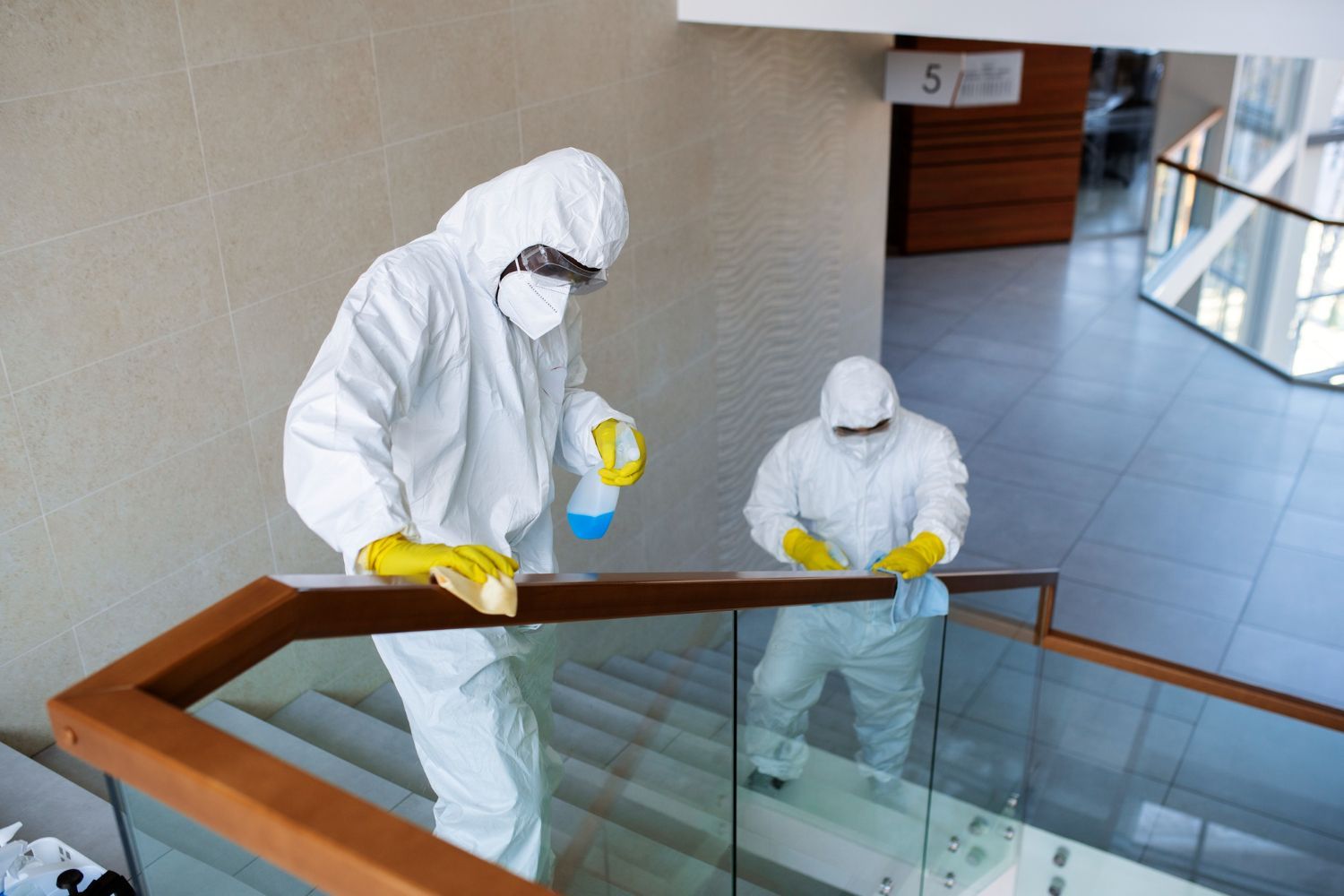
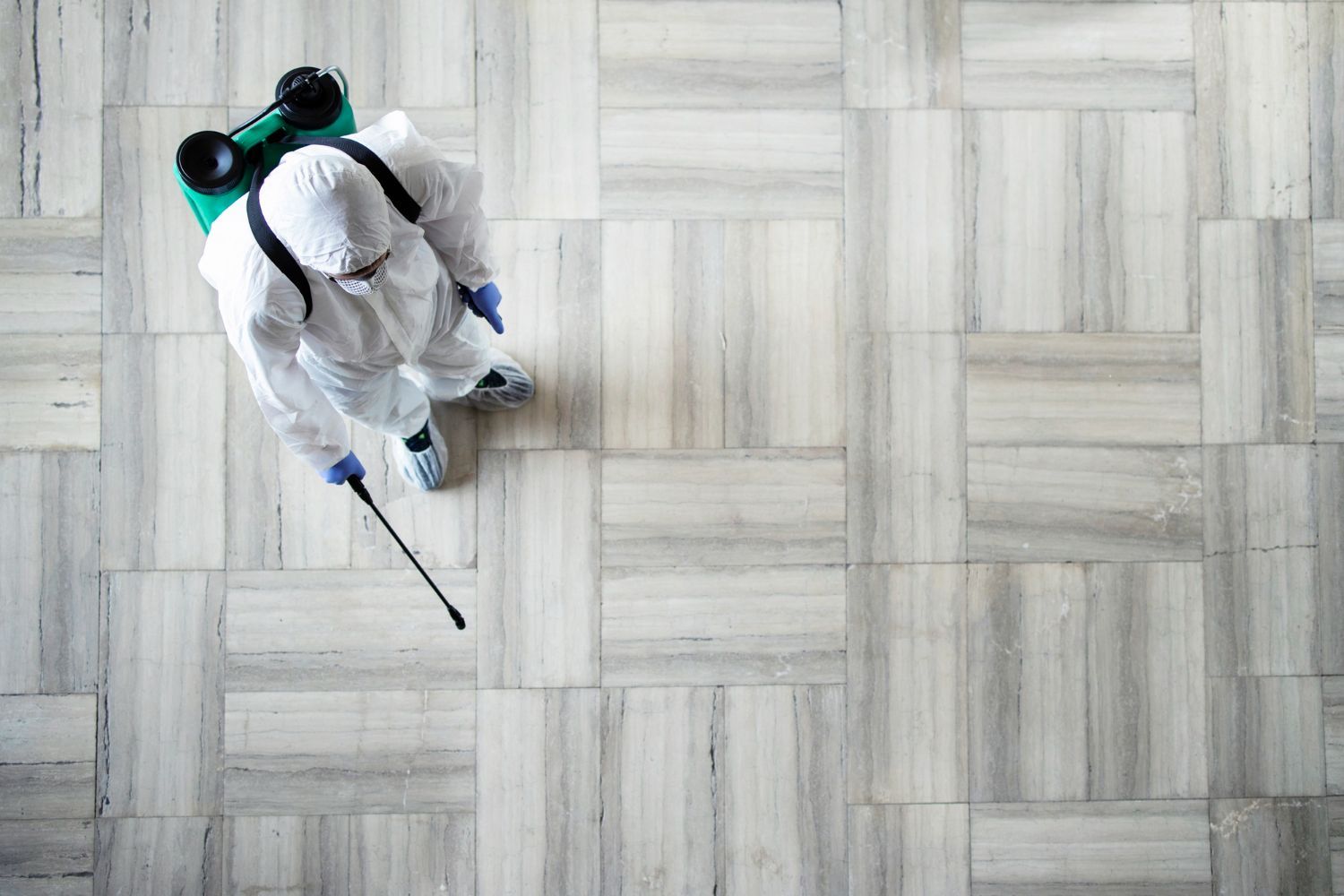
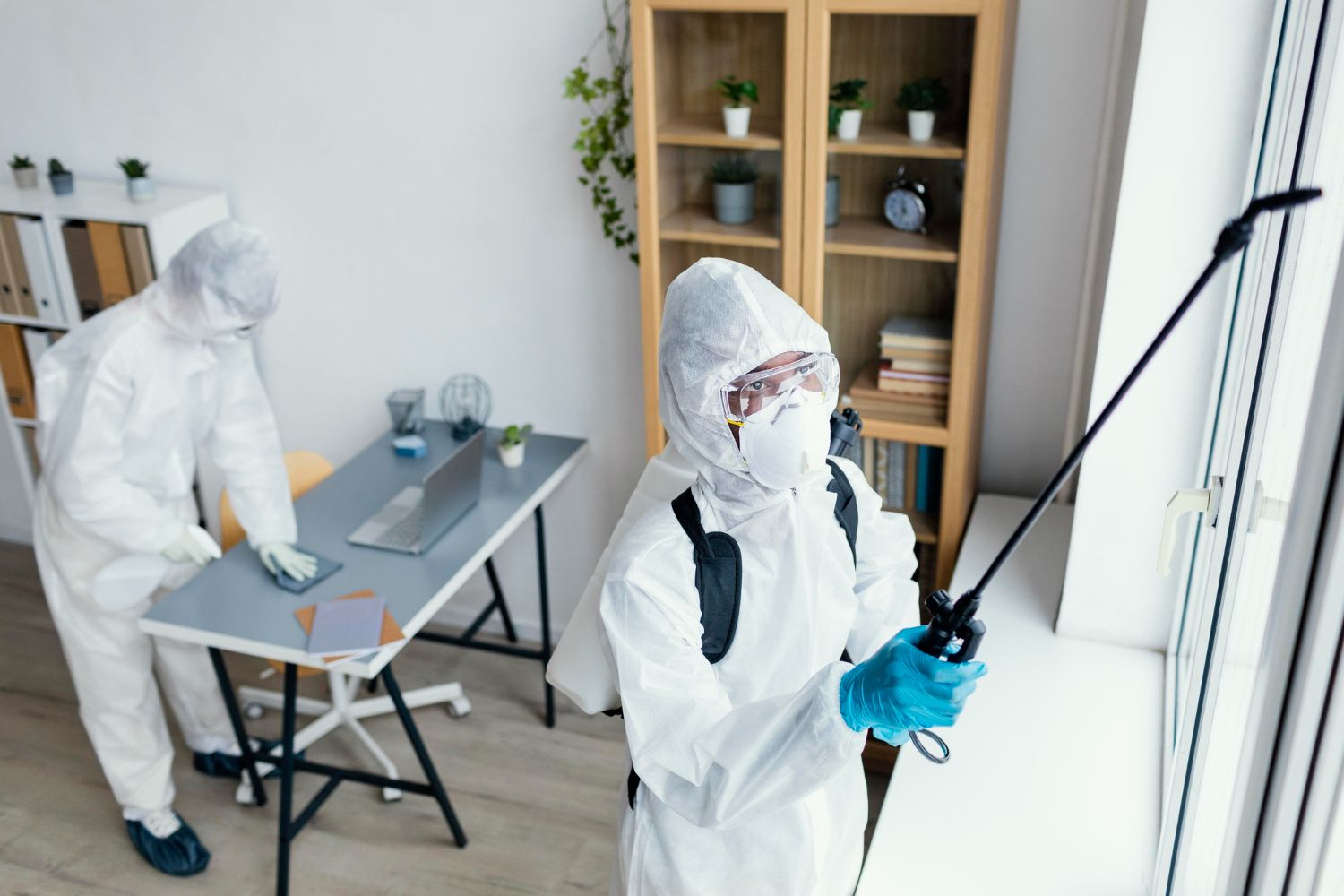
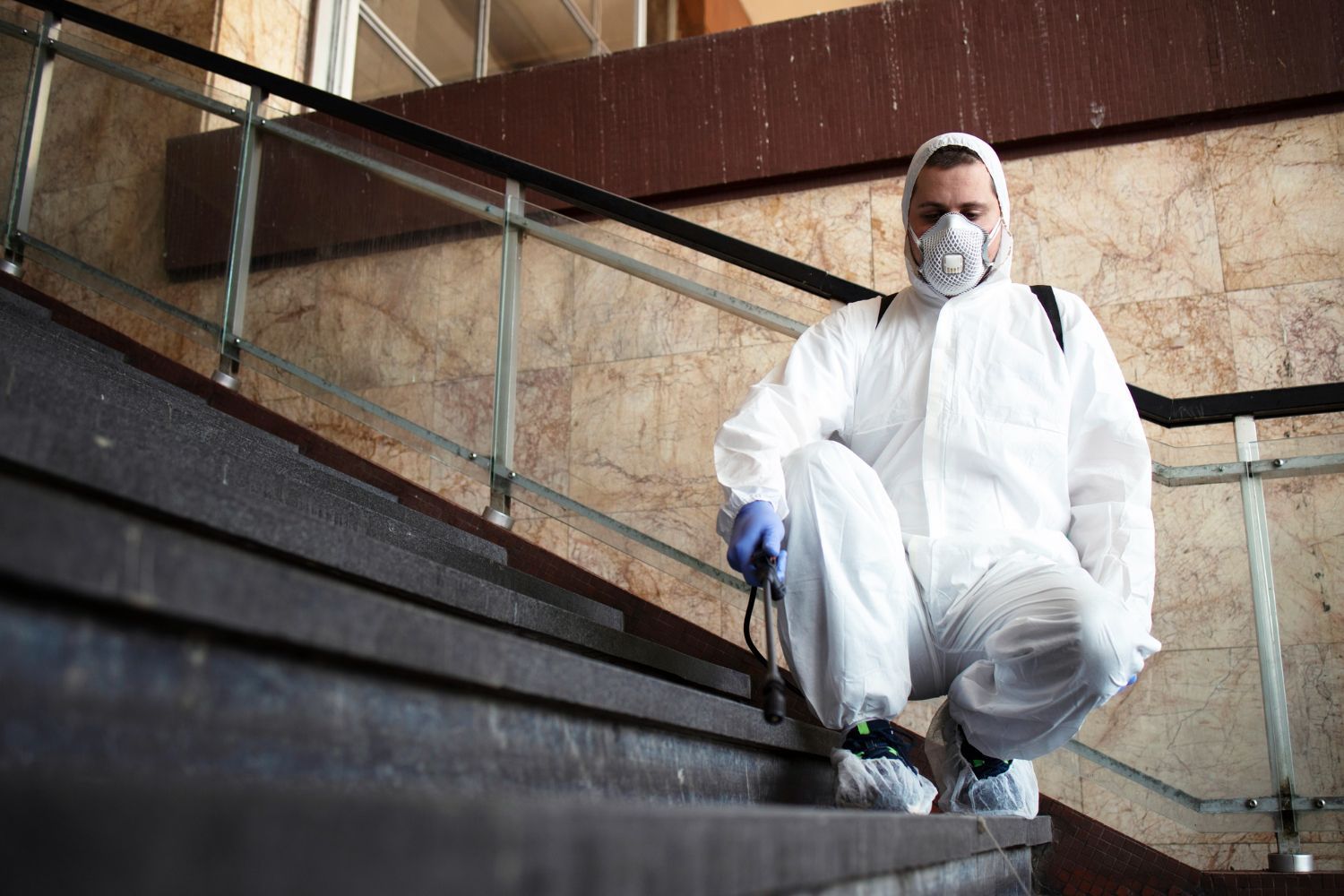
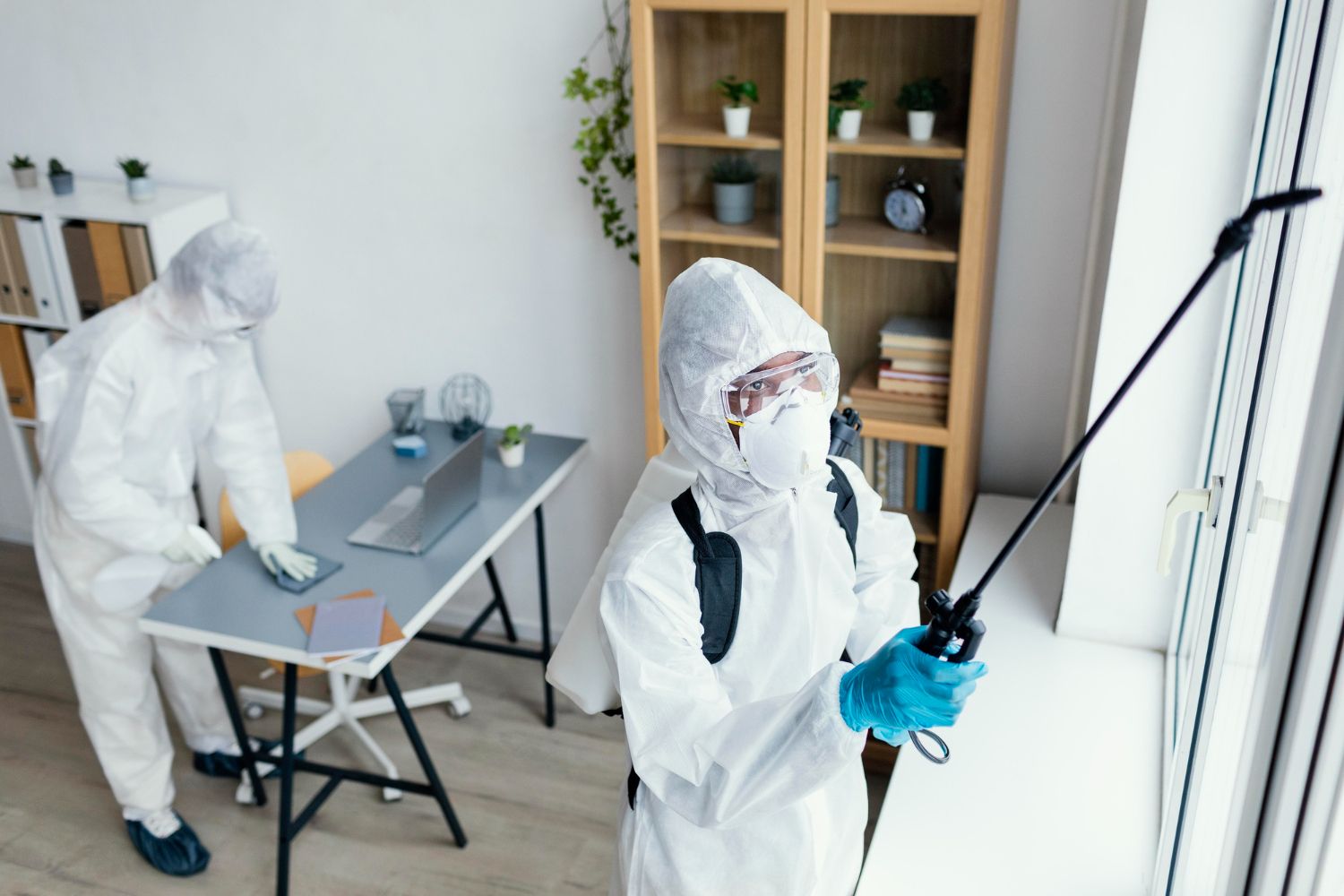
When mold is confirmed, professionals follow a structured process to remove it safely. This includes identifying moisture sources, isolating affected areas, and cleaning contaminated spaces.
Safe removal and treatment steps
Experts use HEPA filters and safe cleaning solutions to remove mold spores from the air and surfaces. In severe cases, damaged materials may need replacement. This full process is known as mold remediation, which ensures both cleaning and prevention of future growth.
In some situations, mold removal alone is not enough unless the moisture source is fixed.
Prevention and Indoor Air Safety
Preventing mold is easier than treating it. Keeping your home dry and well-ventilated is the most important step. Even small changes can improve air quality and reduce mold risk.
Simple prevention habits
Fix leaks quickly, use fans in bathrooms, and keep indoor humidity low. These Mold Prevention Tips help reduce moisture buildup and stop mold from growing again. Regular cleaning and airflow also improve indoor air quality and overall comfort.
When to Seek Professional Help
Sometimes mold problems are too large or hidden for basic home testing. If symptoms continue or air quality does not improve, professional help is needed. Experts can perform detailed testing and safe treatment.
In humid regions, services like mold inspection Boca Raton, FL are commonly used to detect hidden mold problems early. If mold is confirmed, proper mold removal ensures safe restoration of indoor air quality.
Conclusion
Testing for mold in the air is an important step in keeping your home safe and healthy. Methods like air sampling, inspections, and lab analysis help detect hidden mold before it spreads. Early action can prevent health problems and expensive damage.
If you suspect mold in your home, do not wait for it to get worse. Professional mold remediation can help remove contamination and restore clean air. For expert help and complete support, Contact us at Mold Remediation in Boca Raton today and protect your home with safe and reliable solutions.
Frequently Asked Questions
How can I tell if there is mold in the air at home?
Common signs include musty odors, frequent allergies, coughing, or eye irritation. However, only air testing can confirm mold presence in the indoor environment.
What is the best method to test mold in the air?
Air sampling is the most accurate method. It collects airborne particles and analyzes them in a lab to identify mold type and concentration levels.
Can I test mold in the air myself?
Yes, DIY kits are available, but they may not provide complete or highly accurate results. Professional testing is more reliable for detailed analysis.
When should I call a mold expert?
If symptoms continue, odors persist, or moisture issues are visible, professional help is needed. Experts can perform inspection and safe treatment.
How can I stop mold from coming back?
Keep humidity low, fix leaks quickly, and ensure proper ventilation. These simple Mold Prevention Tips help maintain clean and healthy indoor air.
Recent Post