How to Remove Mold from Caulk in Shower Naturally and Effectively
Mold in shower caulk is a common problem in many homes. Bathrooms stay warm and wet, which makes them perfect for mold to grow. The rubbery caulk around showers holds moisture for long periods, and this allows mold to spread slowly over time. At first, it may look like small black spots, but it can grow quickly if not cleaned.
Most homeowners notice mold only when it becomes visible or starts to smell. However, mold can grow deeper than the surface, especially in damp bathrooms. This is why understanding safe and natural cleaning methods is important. Early mold removal or cleaning can stop damage and reduce health risks.
Mold in shower caulk is not just a cleaning issue. It can also affect air quality and comfort in the bathroom. That is why proper care, regular cleaning, and early action are important for every home.
Why Mold Grows in Shower Caulk
Mold grows in shower caulk mainly because of constant moisture, soap residue, and poor airflow. Bathrooms are one of the most humid areas in a home, and caulk traps water easily. When water stays trapped for long periods, mold begins to grow and spread slowly.
Moisture and humidity buildup
Bathrooms often have humidity levels above 70%, especially after hot showers. The U.S. Environmental Protection Agency states that indoor moisture is one of the leading causes of mold growth in homes. High humidity creates the perfect environment for spores to grow inside caulk lines.
Soap scum and organic buildup
Soap residue and skin particles stick to caulk surfaces. These act as food for mold. Over time, this buildup makes it easier for mold colonies to grow and spread deeper into the sealing material.
Poor ventilation in bathrooms
When bathrooms do not have proper airflow, moisture stays trapped. Without fans or windows, humidity levels stay high for longer periods. This increases the chance of mold developing in hidden areas like caulk joints.
Signs of Mold in Shower Caulk
Mold in shower caulk is usually easy to spot if you know what to look for. Early signs include discoloration, odor, and surface changes. If ignored, it can spread deeper and become harder to clean.
Visible black or green spots
The most common sign is black, green, or brown spots along caulk lines. These spots often start small but grow larger over time. They usually appear in corners, edges, and areas where water collects.
Musty bathroom smell
A strong, musty odor is another warning sign. This smell often means mold is growing even if it is not fully visible. Mold releases gases that affect indoor air quality and create an unpleasant smell.
Skin and breathing irritation
Some people may notice sneezing, coughing, or skin irritation when using the bathroom. According to the CDC, mold exposure in damp environments can trigger allergic reactions in sensitive individuals.
Natural Methods to Remove Mold from Caulk
Natural cleaning methods are safe, affordable, and effective for early mold growth. These methods help remove surface mold without using harsh chemicals. However, deeper mold may require stronger treatment or replacement of caulk.
Vinegar solution cleaning
White vinegar is one of the most common natural cleaners. It can kill many types of mold on contact. Spray vinegar directly on the affected area and let it sit for at least one hour before scrubbing. It helps break down mold stains and reduce regrowth.
Baking soda scrub method
Baking soda works well as a gentle scrub. Mix it with water to form a paste and apply it to the caulk. Scrub lightly using a soft brush. It helps remove stains and neutralize odors without damaging the surface.
Hydrogen peroxide treatment
Hydrogen peroxide is another effective natural option. It helps kill mold spores on contact. Spray it on the caulk, leave it for 10–15 minutes, then scrub and rinse. This method is useful for slightly deeper mold stains.
Deep Cleaning and Step-by-Step Process
For more stubborn mold, a deeper cleaning process is needed. This helps remove mold completely from the caulk surface and reduces the chance of it coming back.
Step-by-step cleaning method
Start by drying the shower area completely. Apply a natural cleaning solution and let it sit for some time. Scrub gently using a toothbrush or soft brush. Rinse with warm water and dry again. Repeat if needed for better results. To get more information about mold inspection or mold prevention services, you can also check out various online sources.
Importance of drying the area
Drying is one of the most important steps. Mold grows in wet conditions, so keeping the surface dry helps prevent regrowth. Use towels or ventilation fans after every cleaning session.
When Professional Help Is Needed
Sometimes mold becomes too deep or spreads beyond caulk lines. In such cases, natural methods may not be enough. This is when expert help is required to handle the issue safely and completely.
Inspection and testing support
A proper mold inspection helps identify hidden moisture and mold growth areas. In some cases, professionals use mold testing to understand how far the problem has spread. In humid regions, services like mold inspection Boca Raton, FL are often used due to higher moisture levels.
Advanced removal solutions
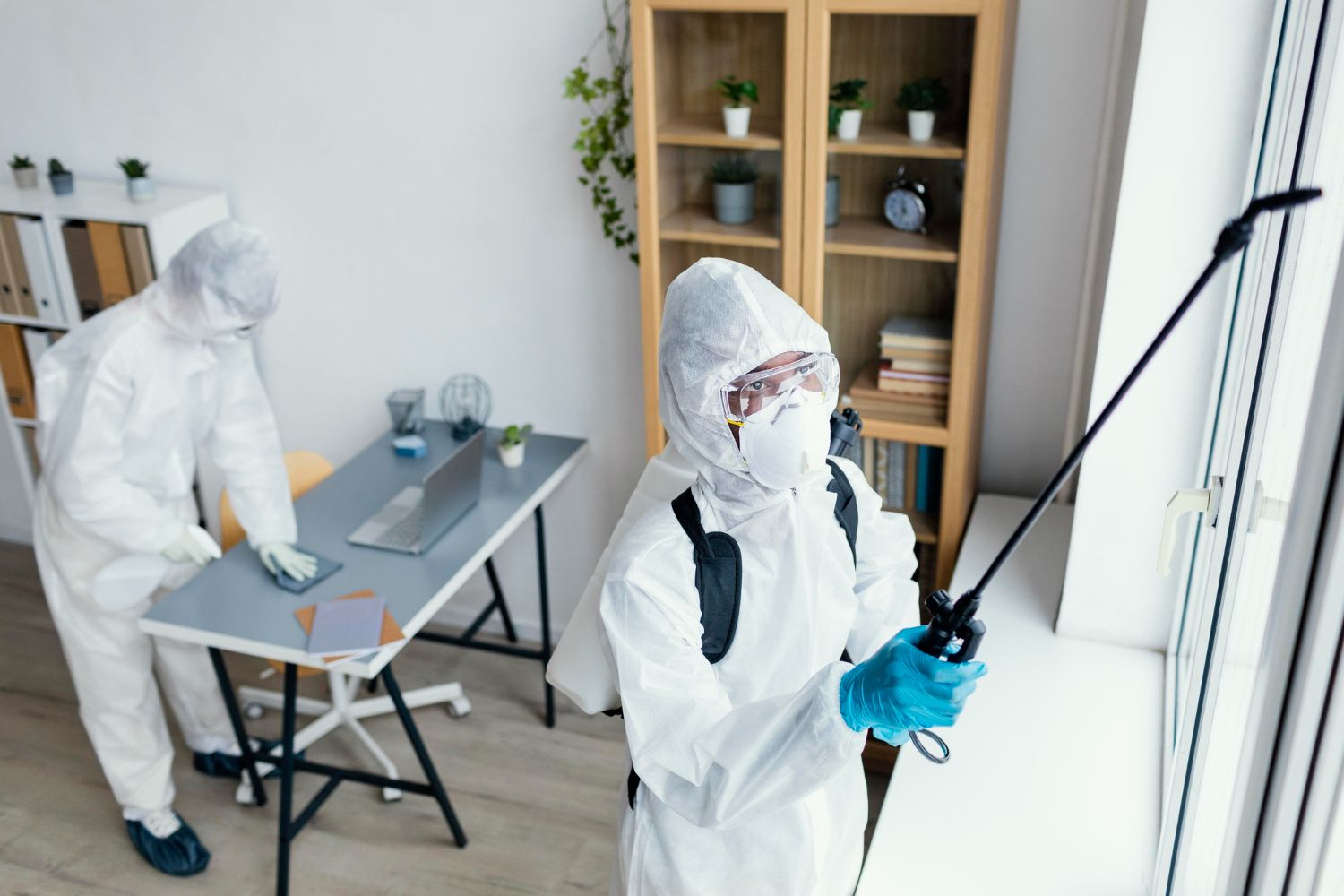
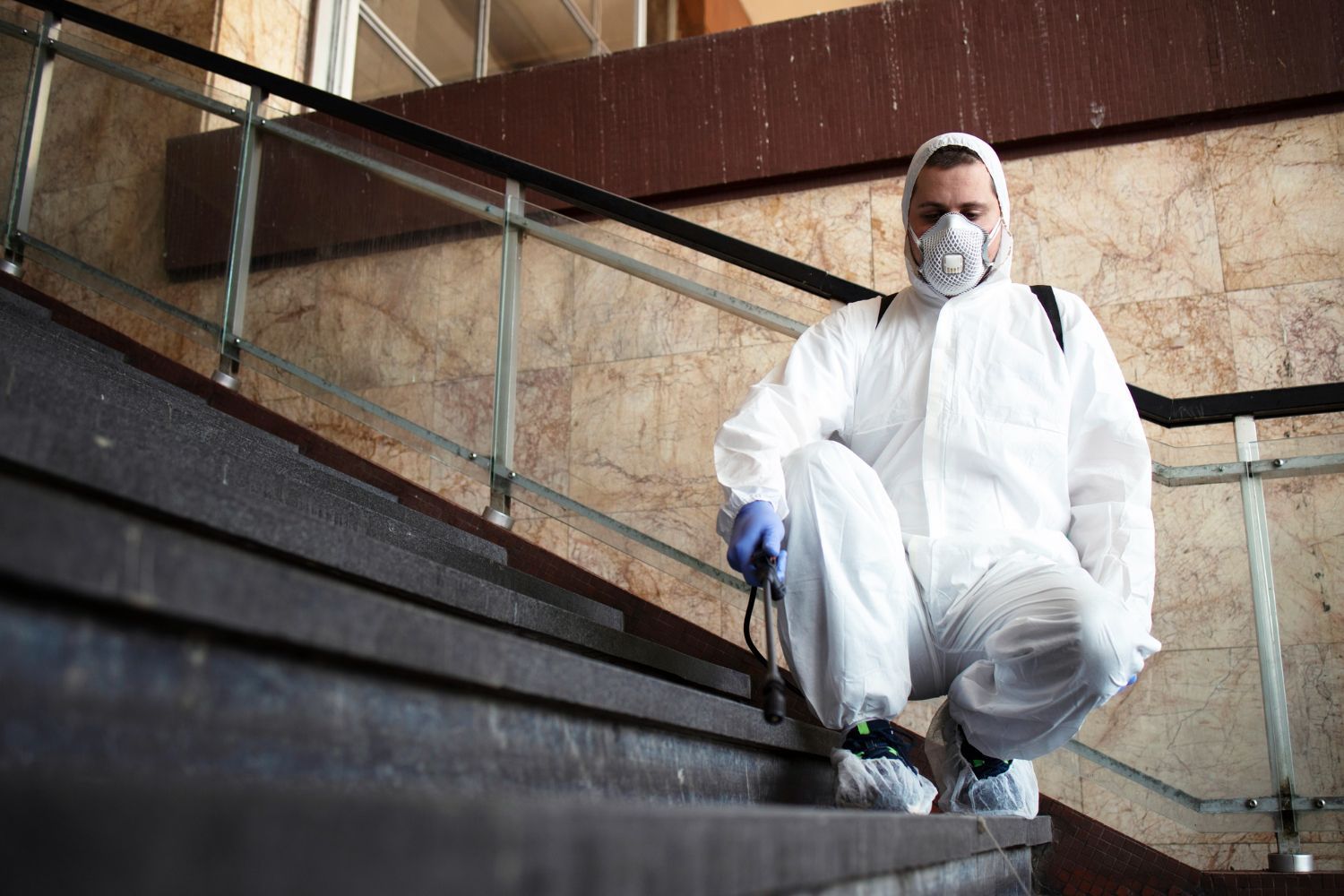
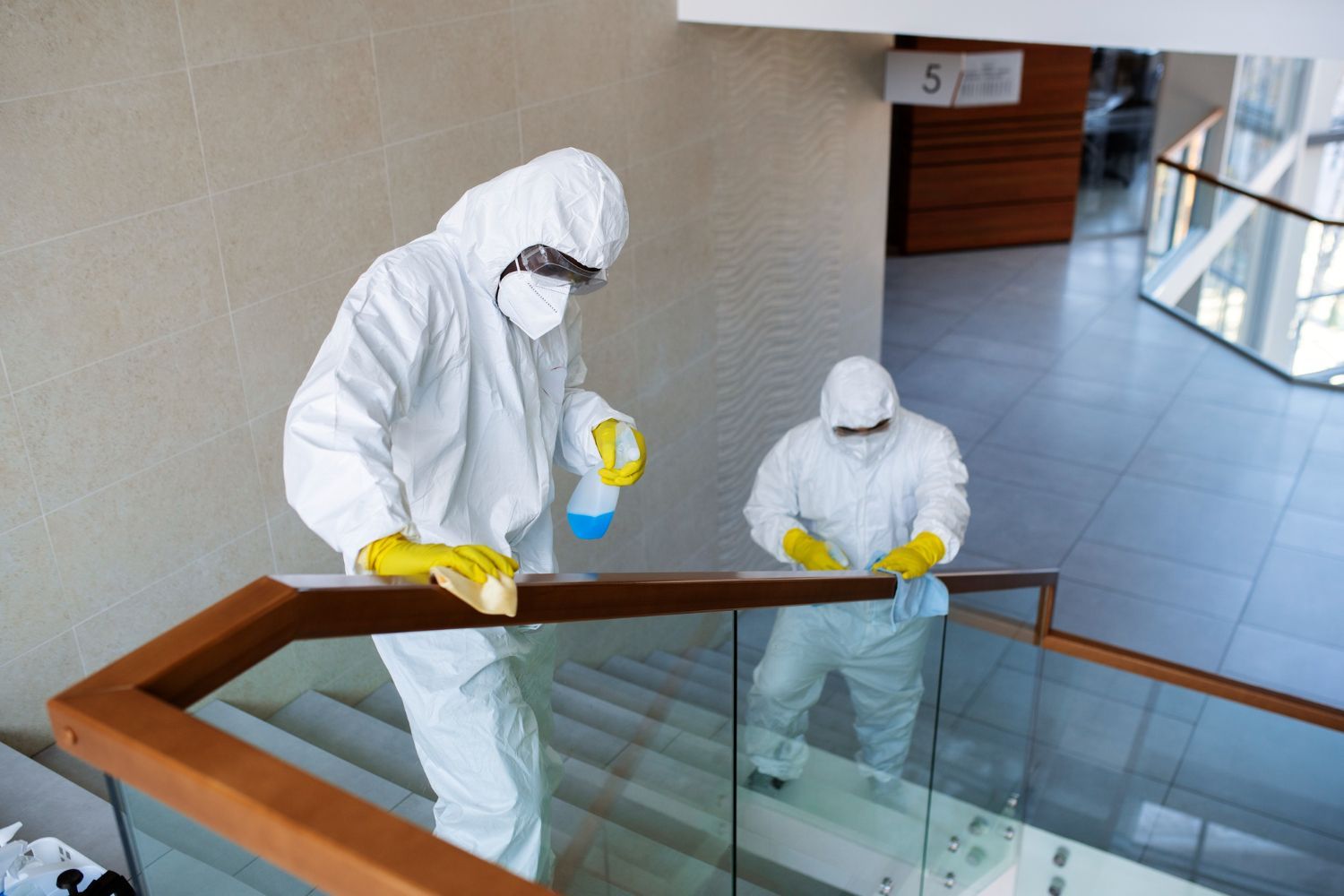
When mold spreads deeply, professional mold removal may be needed. Experts use specialized tools and safe cleaning agents to eliminate mold completely. In severe cases, full sealant replacement may be required to ensure long-term safety.
Full remediation process
If the issue is widespread, a complete mold remediation process is used. This includes cleaning, drying, and moisture control to stop mold from returning. According to environmental studies, controlling moisture is the most effective way to prevent indoor mold growth.
Mold Prevention in Shower Areas
Preventing mold is easier than removing it. Regular maintenance and simple habits can help keep shower caulk clean and mold-free for a long time.
Keep bathroom dry and ventilated
Always use exhaust fans or open windows after showers. This reduces humidity and helps surfaces dry faster. Good airflow is one of the most important prevention steps.
Clean regularly to remove buildup
Soap scum and dirt should be cleaned weekly. This reduces food sources for mold. Regular cleaning helps maintain healthy caulk surfaces.
Use preventive sealing methods
Applying mold-resistant sealants can help protect caulk lines. These materials reduce moisture absorption and slow down mold growth. These Mold Prevention Tips are simple but very effective for long-term protection.
Conclusion
Mold in shower caulk is common but can be controlled with proper care. Natural cleaning methods like vinegar, baking soda, and hydrogen peroxide can help remove early mold safely. However, deeper growth may need professional attention to prevent further damage.
If mold keeps returning or spreads beyond surface areas, expert help is the best option. Proper mold remediation ensures complete cleaning and long-term protection. For expert support, inspection, and safe solutions, Contact us at Mold Remediation in Boca Raton today and restore a clean, healthy bathroom environment.
Frequently Asked Questions
What is the safest way to remove mold from shower caulk naturally?
The safest methods include using white vinegar, baking soda paste, or hydrogen peroxide. These natural cleaners help remove surface mold without harsh chemicals and are suitable for regular bathroom cleaning.
Why does mold keep coming back on shower caulk?
Mold often returns due to constant moisture, poor ventilation, and soap buildup. If the bathroom stays damp after showers, it creates the perfect environment for mold to grow again.
Can mold in shower caulk affect health?
Yes, mold exposure can cause allergies, sneezing, coughing, and skin irritation. People with asthma or weak immune systems may experience stronger reactions in damp environments.
When should I replace caulk instead of cleaning it?
If mold has deeply penetrated the caulk or keeps returning after cleaning, replacement is recommended. This ensures better hygiene and long-term protection.
How can I prevent mold from growing in shower caulk again?
Keep the bathroom dry, use exhaust fans, clean regularly, and reduce humidity. These Mold Prevention Tips help stop moisture buildup and reduce mold growth over time.
Recent Post