How Professional Mold Remediation Works in Boca Raton: Step-by-Step
Molds can grow quickly in warm and humid places like Boca Raton. If left untreated, it can damage walls, furniture, and even affect indoor air quality. Many homeowners try cleaning it themselves, but hidden mold often remains and spreads again.
Professional mold remediation Boca Raton services follow a careful process. Experts inspect the home, test the air, remove contamination, and restore safe conditions. According to the United States Environmental Protection Agency, mold can start growing within 24–48 hours after water exposure, which is why fast action is important.
This guide explains the step-by-step process professionals use to remove mold safely. It also covers safety protocols, cleanup methods, and simple tips to keep mold from coming back.
Why Mold Remediation Is Important for Homes
Mold problems are more than just ugly spots on walls. They can damage building materials and affect the air you breathe. In humid climates, mold spreads easily through spores that float in the air.
Research from the Centers for Disease Control and Prevention shows that damp indoor spaces can increase respiratory problems and allergies. Professional treatment helps remove contamination, control moisture, and restore healthy living conditions.
Step 1: Initial Mold Inspection
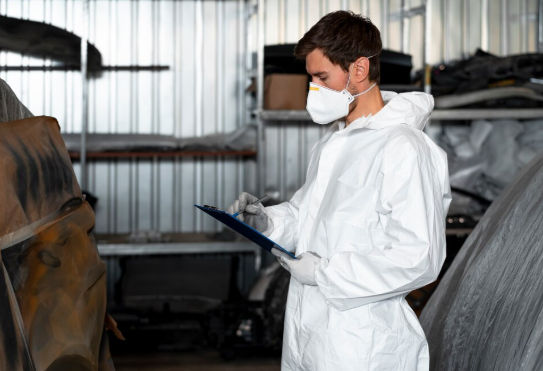
The first step in the cleanup process is a detailed inspection of the property. Professionals look for visible mold, water damage, and areas where moisture collects. Bathrooms, kitchens, basements, and air ducts are common places where mold grows.
Experts also use tools like moisture meters and thermal cameras. These tools help detect hidden damp spots behind walls or under floors. A proper Mold Inspection ensures the team understands how far the problem has spread before starting treatment.
Step 2: Professional Mold Testing
After inspection, specialists collect samples from the air or surfaces. These samples help identify the type and level of mold present in the home. Mold Testing is important because different types may require different cleanup methods.
Laboratories analyze these samples and provide reports showing contamination levels. According to studies published by the World Health Organization, proper testing helps professionals choose safer and more effective remediation methods.
Step 3: Containment of the Affected Area
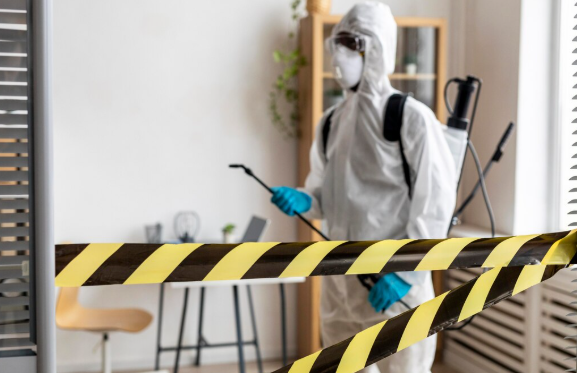
Once testing confirms mold presence, the next step is containment. This prevents spores from spreading to other parts of the building during cleanup.
Technicians seal off the contaminated area using plastic barriers and negative air pressure machines. These machines pull air inward so spores cannot escape. Containment keeps the rest of the home safe while work is being done.
This stage is important because mold spores are microscopic and travel easily through airflow systems.
Step 4: Air Filtration and Purification
Air filtration is used to remove airborne spores. Professionals install high-efficiency filters that trap tiny particles from the air.
Most remediation teams use HEPA air scrubbers and vacuum systems. These machines capture mold spores that normal filters cannot. According to the Environmental Protection Agency, HEPA filters can remove up to 99.97% of particles as small as 0.3 microns.
Clean air during the process protects both workers and residents.
Step 5: Removal of Mold-Damaged Materials
Some building materials cannot be saved once mold spreads deeply. For example, soaked drywalls, insulation, or carpets often need to be removed.
Technicians carefully cut and remove these materials to stop the mold from spreading further. This step is part of professional removal services that focus on eliminating contaminated surfaces safely.
All debris is sealed in special bags before being taken out of the property.
Step 6: Deep Cleaning and Surface Treatment
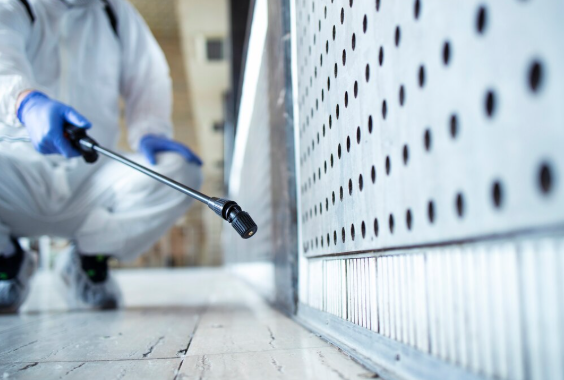
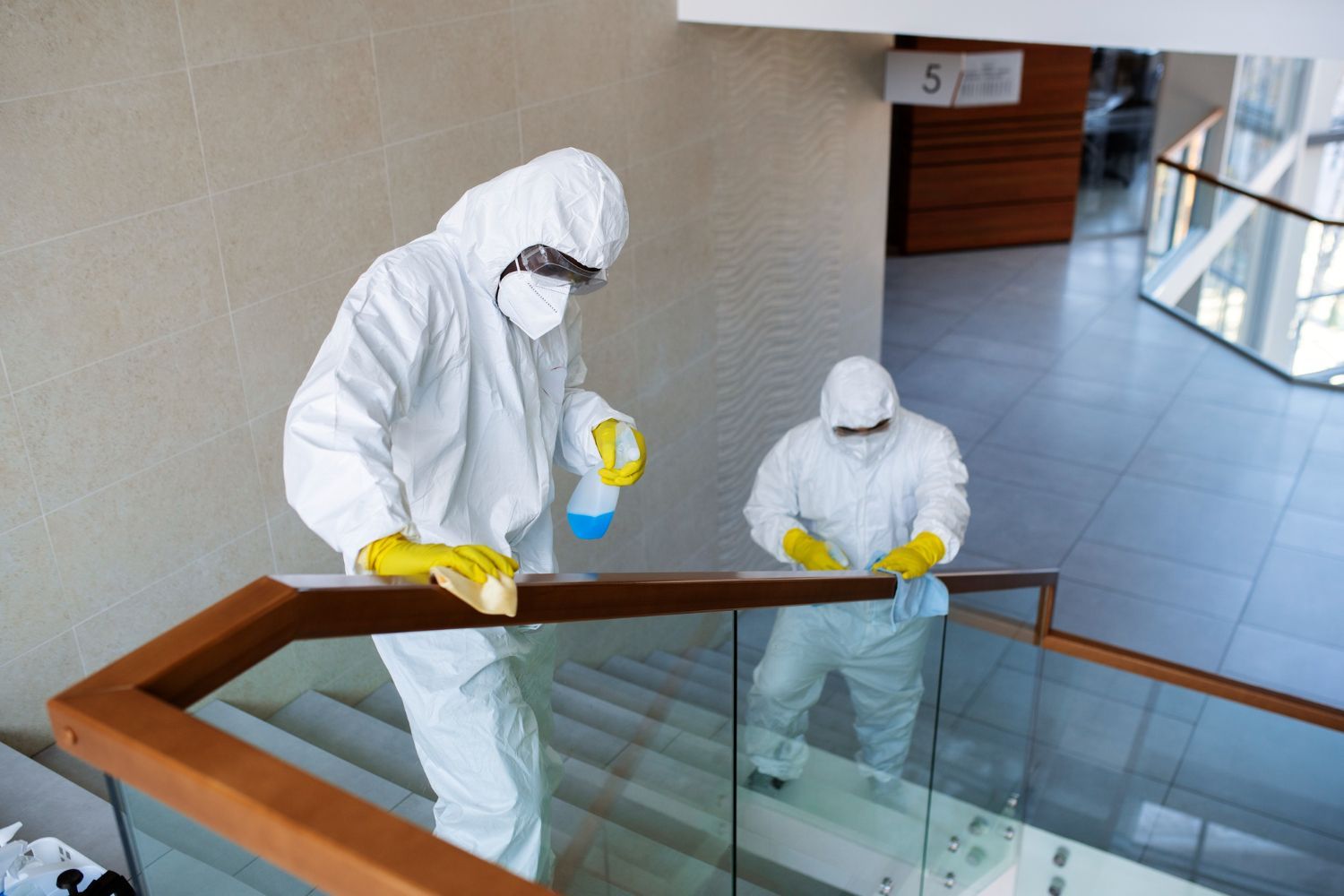
After damaged materials are removed, technicians clean the remaining surfaces. Specialized cleaning agents are used to destroy mold colonies and remove spores.
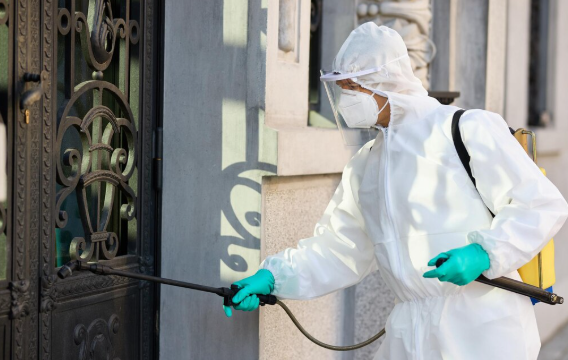
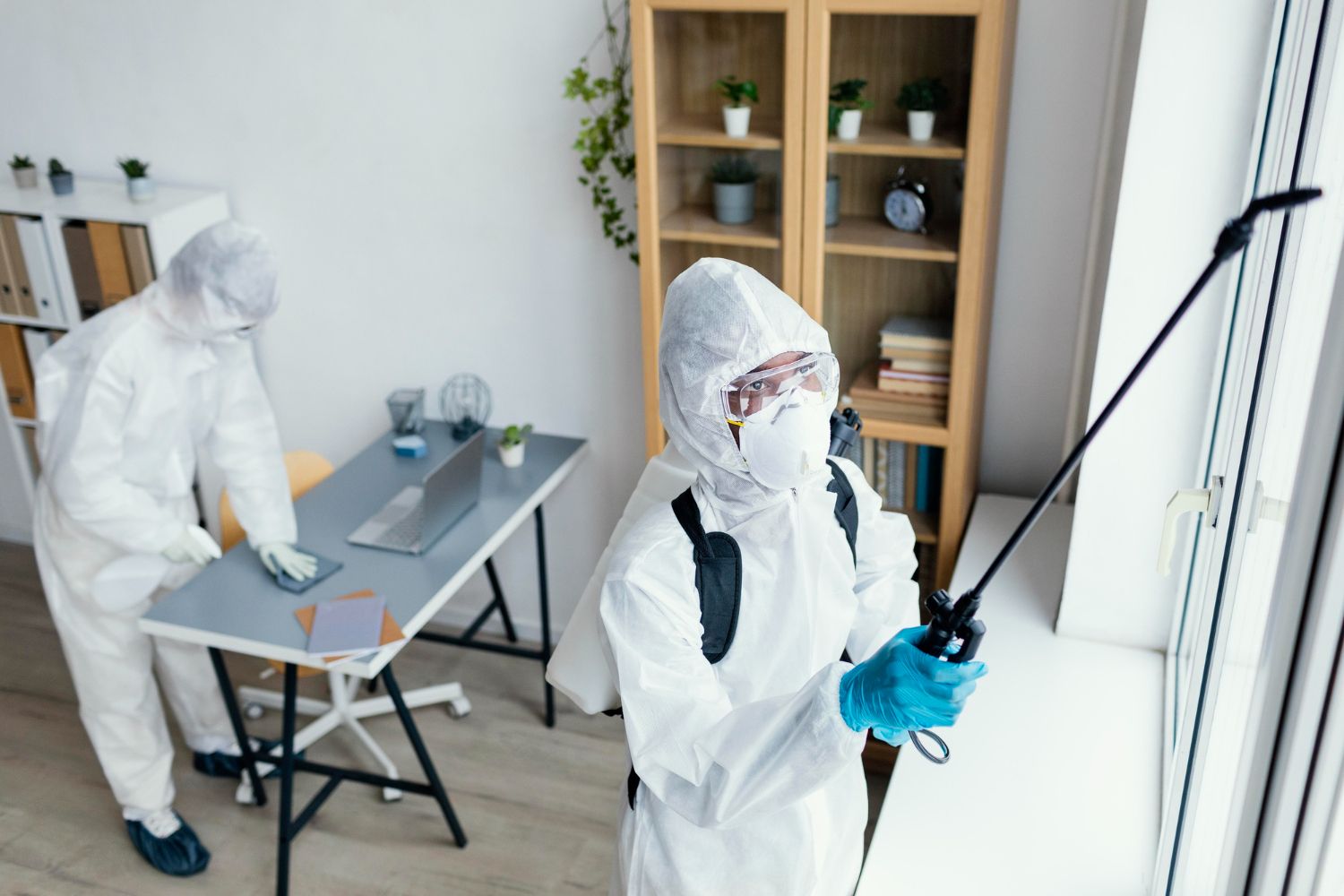
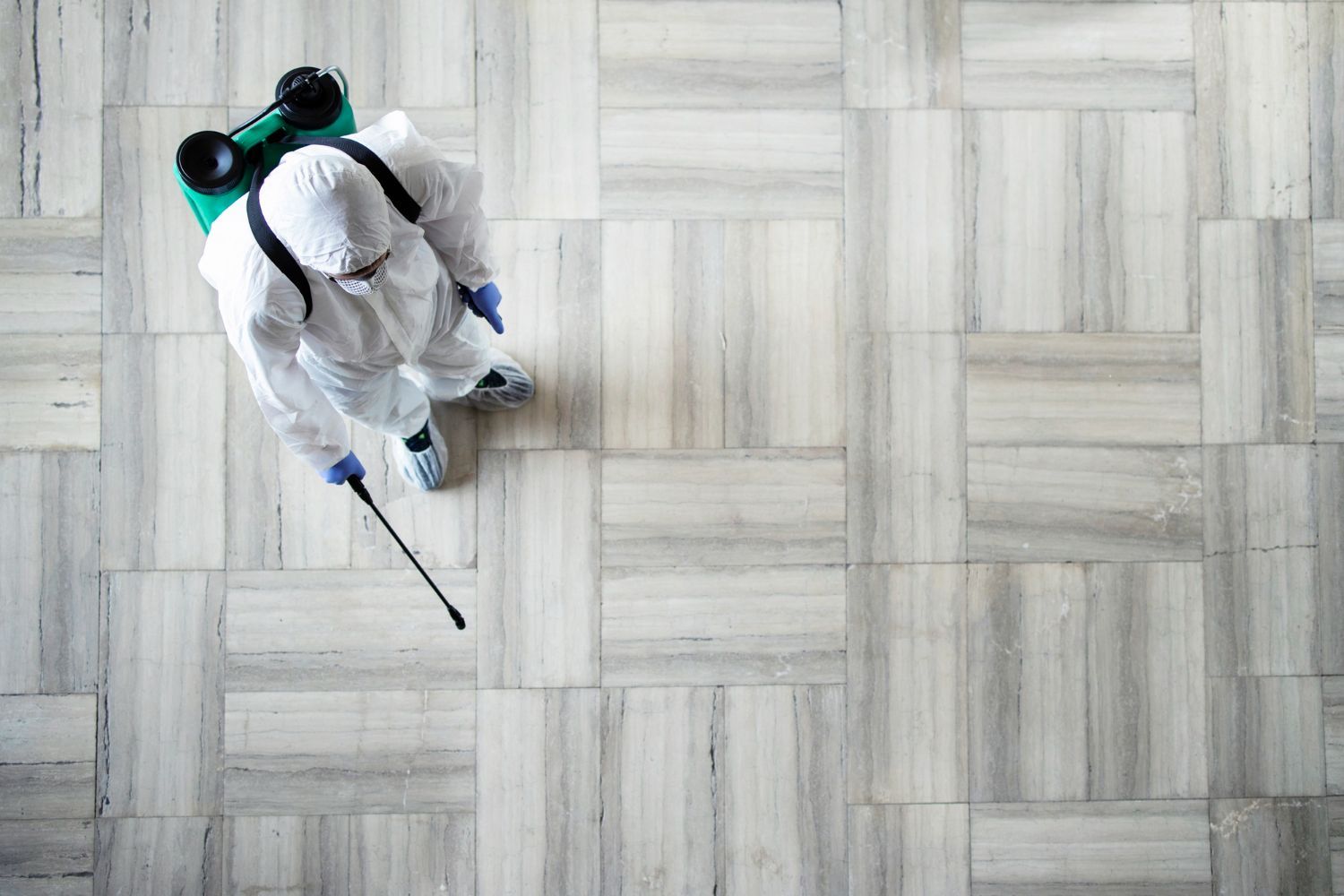
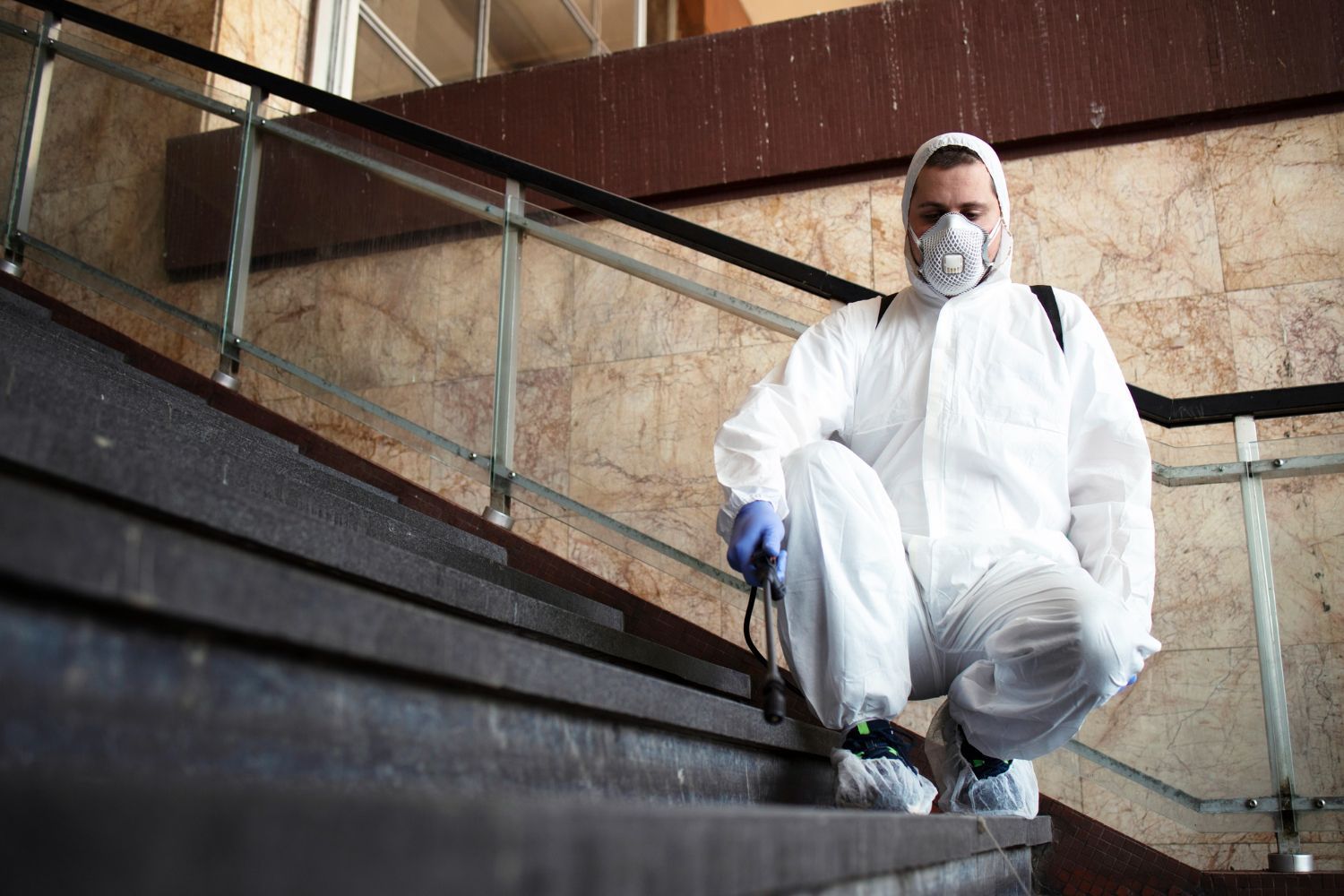
Hard surfaces like wood beams, tiles, and concrete can often be restored through scrubbing and antimicrobial treatments. Professionals also use fogging equipment to disinfect the air and surfaces.
This step ensures that even microscopic mold particles are eliminated.
Step 7: Drying and Moisture Control
Mold grows because of moisture. That is why drying the affected area is a key part of the remediation process.
Industrial fans and dehumidifiers are placed in the home to remove excess moisture. These machines may run for several days depending on the severity of the damage.
According to building restoration experts, maintaining indoor humidity below 50% helps prevent mold growth. Proper drying also protects walls, floors, and furniture from further damage.
Step 8: Restoration and Repairs
Once the area is clean and dry, restoration work begins. This step focuses on repairing parts of the property that were damaged during mold removal.
Repairs may include installing new drywalls, painting walls, replacing insulation, or restoring flooring. The goal is to return home to its original condition.
Professional mold Remediation services often include both cleanup and restoration, making the process easier for homeowners.
Understanding Professional Safety Protocols
Safety protocols are essential during mold removal. Without proper precautions, spores can spread or cause health problems.
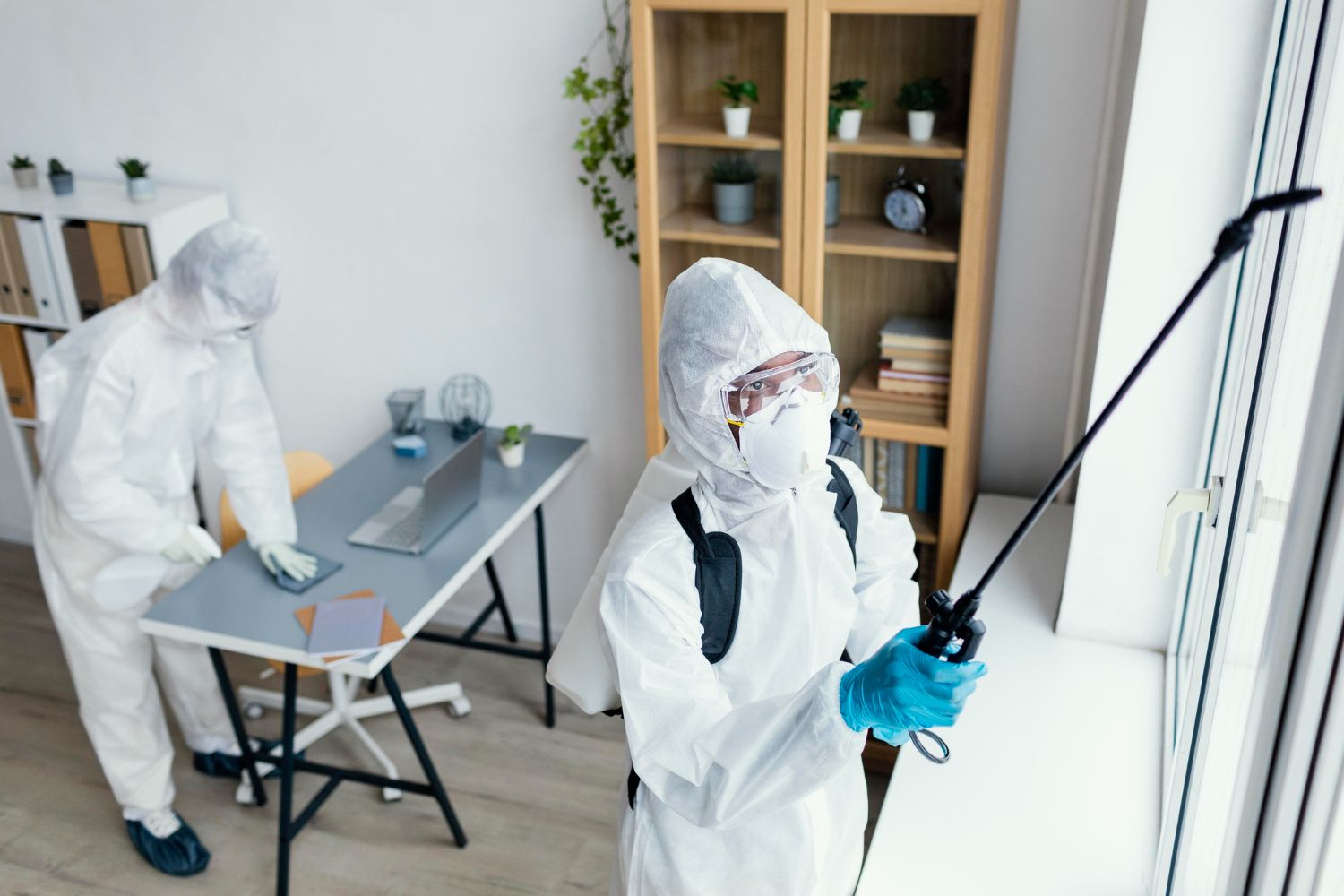
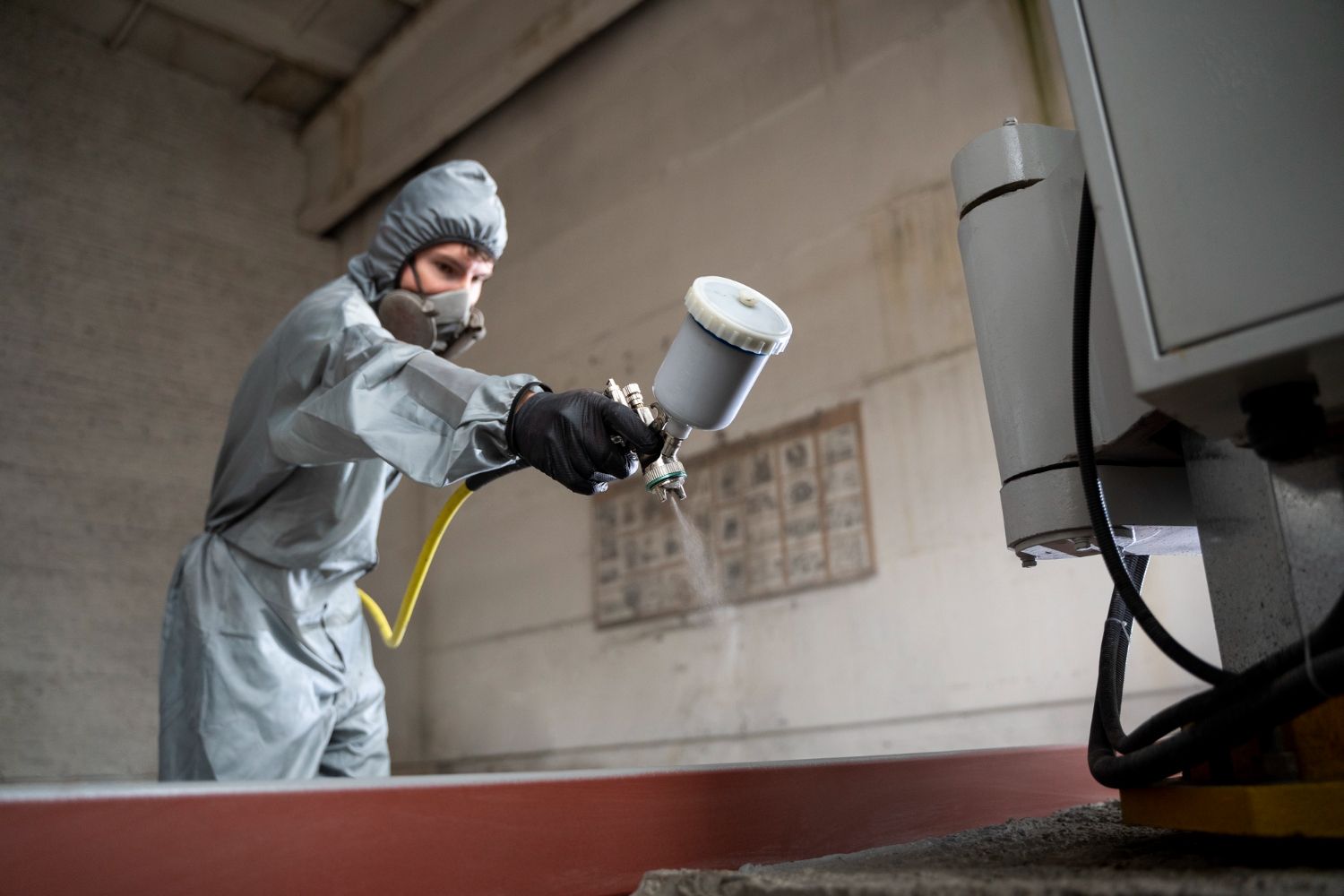
Professionals wear protective equipment such as masks, gloves, and suits. They also follow industry guidelines for containment and waste disposal.
Organizations like the Institute of Inspection Cleaning and Restoration Certification provide standards that remediation teams follow. These standards ensure that the cleanup is done safely and effectively.
Tools and Technology Used by Experts
Modern remediation companies use advanced equipment to improve accuracy and safety. These tools help detect moisture, remove spores, and clean surfaces more effectively.
Common tools include:
- HEPA air scrubbers
- Moisture meters
- Thermal imaging cameras
- Industrial dehumidifiers
- Negative air machines
These technologies make the cleanup process faster and more reliable.
Mid-Process Example of Professional Service
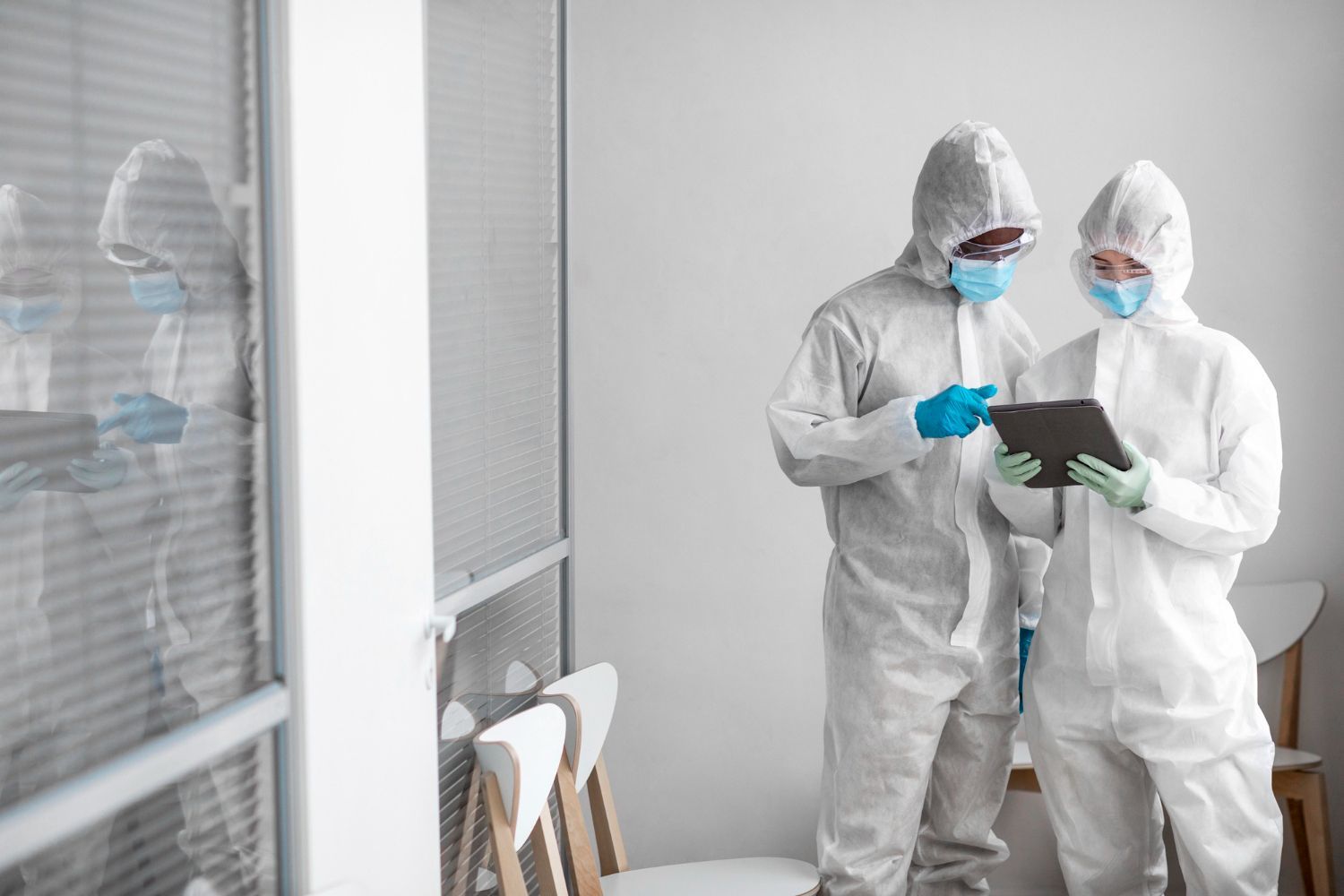
In the middle of a remediation project, technicians review inspection results, adjust containment zones, and check moisture levels again. Companies like Mold Remediation Boca Raton follow structured procedures to ensure that every stage meets safety and quality standards.
This careful monitoring helps ensure that the problem is completely resolved before moving to the final stage of restoration.
How Long the Remediation Process Takes
The time required depends on the size of the affected area and the level of contamination.
Small problems may take 1–3 days to clean, while larger projects can take a week or more. Drying and testing may extend the timeline.
Factors that influence duration include:
- Amount of moisture damage
- Type of building materials affected
- Size of the contaminated area
- Indoor humidity levels
Professional assessment helps determine the exact timeline.
Costs of Professional Mold Remediation
The cost of remediation varies based on the severity of the mold problem. Minor cleanup jobs can cost a few hundred dollars, while large-scale projects may cost several thousand.
According to industry data from HomeAdvisor, the average remediation cost in the United States ranges between $1,500 and $6,000 depending on the damage level.
Investing professional cleanups can save money in the long run by preventing structural damage and recurring mold problems.
Post-Remediation Verification
After the cleanup is finished, professionals perform a final inspection. This step confirms that mold levels have returned to safe levels.
Air samples may be collected again and compared with the earlier results. If the readings show normal levels, the remediation project is considered complete.
Verification ensures that the property is safe for normal use.
Post-Remediation Tips to Prevent Mold
Preventing mold is easier than removing it. After remediation, homeowners should follow simple steps to keep their homes dry and clean.
Key tips include:
- Fix water leaks quickly
- Keep indoor humidity below 50%
- Use exhaust fans in kitchens and bathrooms
- Improve ventilation in damp areas
- Clean and maintain HVAC systems regularly
According to the EPA, controlling moisture is the most effective way to prevent mold growth indoors.
Signs You Should Call Professionals
Many people notice mold only after it spreads widely. Knowing the early warning signs can help prevent serious damage.
Common signs include:
- Musty smell in rooms
- Visible dark spots on walls or ceilings
- Frequent allergy symptoms indoors
- Water stains or damp patches
If you notice these signs, it is wise to seek professional help before the problem becomes larger.
When to Seek Expert Assistance
Small surface mold may be manageable with household cleaning, but larger infestations require professional attention. Experts understand how mold spreads and how to remove it safely.
Professional teams follow strict procedures, advanced testing methods, and safety guidelines. This reduces health risks and prevents mold from returning.
For property owners dealing with recurring mold issues, expert evaluation is often the best solution.
Conclusion
Professional mold removal is a structured process that focuses on inspection, containment, cleanup, drying, and restoration. Each step is designed to remove contamination safely while protecting indoor air quality and property structure. In humid areas like Boca Raton, early action can prevent serious damage and health concerns. If you suspect mold in your home or business, it is best to act quickly. Contact us Mold Remediation Boca Raton today to schedule an inspection and get expert help restoring a clean and safe environment.
Frequently Asked Questions (FAQs)
What causes mold growth in homes?
Mold usually grows when moisture stays in one place for too long. Leaks, flooding, high humidity, or poor ventilation can create the perfect environment for mold to develop.
How long does professional mold remediation take?
Most small projects take between one and three days. Larger contamination problems may require a week or more, especially if repairs and drying are needed.
Is mold dangerous to your health?
Some mold types can affect indoor air quality and trigger allergies or breathing issues. That is why professional cleanup and proper ventilation are important.
Can mold return after remediation?
Yes, mold can return if moisture problems are not fixed. Controlling humidity and repairing leaks helps prevent future growth.
When should I call a mold remediation professional?
You should contact experts if mold covers a large area, keeps coming back, or appears after water damage. Professionals have the tools and training to remove it safely.
Recent Post