Signs You Have Mold in Your Home Before It’s Too Late
Mold is a common problem in South Florida homes. The warm weather and high humidity in Boca Raton make houses more prone to hidden moisture issues. Many homeowners wonder how to tell if they have mold before it becomes a serious problem. Often, mold grows quietly behind walls, under floors, and inside air systems long before it’s visible.
Mold spreads through tiny spores that float in the air and settle on damp surfaces, beginning to grow within 24–48 hours, according to the U.S. Environmental Protection Agency (EPA). Once established, it can damage building materials and trigger allergies or breathing problems. Detecting mold early makes it easier and less expensive to remove.
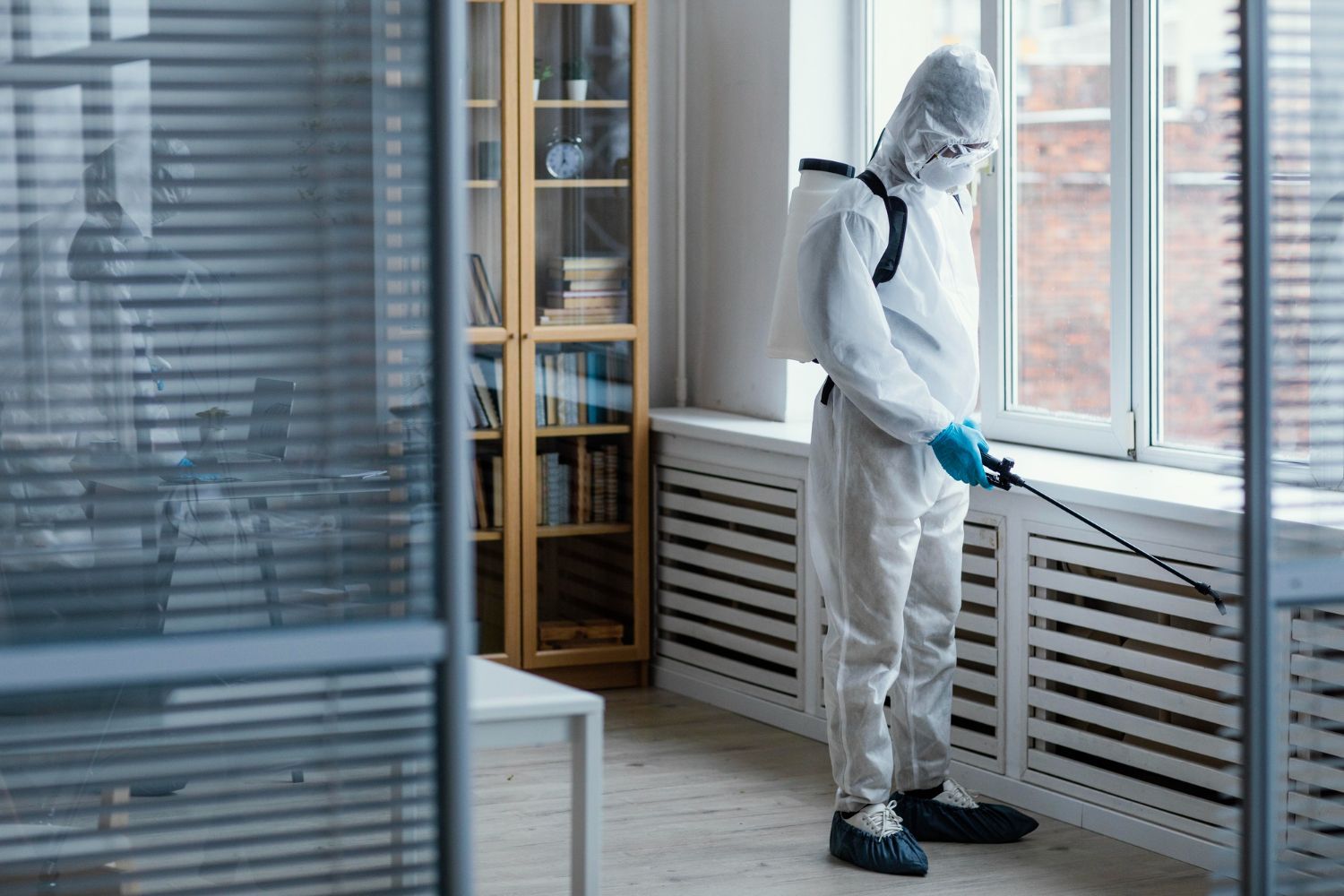
Best Mold Remediation Boca Raton helps homeowners identify hidden mold and provide professional remediation to protect both your home and your health.
Why Mold Is a Serious Problem in Florida Homes
Florida has a hot and humid climate most of the year. According to the U.S. Environmental Protection Agency (EPA), mold can begin growing within 24 to 48 hours in damp conditions. In cities like Boca Raton, indoor humidity often rises above 60%, which supports mold growth.
If ignored, mold can spread behind walls, under floors, and inside air ducts. Early detection protects both your home and your health.
A Strong Musty Smell That Does Not Go Away
One of the first signs of mold is the smell of musty. It often smells like wet socks or damp wood. This odor comes from gases released by growing mold.
If you notice a musty smell in one room that does not improve with cleaning or air fresheners, mold may be hiding behind walls or under carpets. Persistent odors are an early warning sign that moisture is trapped somewhere in your home.
Visible Spots on Walls or Ceilings
Mold can appear as black, green, brown, or white spots. These marks often grow on drywalls, ceilings, or near windows. Black mold is one type of homeowner's fear because it can produce harmful spores.
The Centers for Disease Control and Prevention (CDC) states that mold can grow on any surface with moisture and organic material. If you see spreading stains or dark patches, it is time to investigate further.
Peeling Paint or Warped Walls
When moisture builds behind paint or drywall, surfaces may bubble, crack, or peel. Warped walls or soft drywalls can signal hidden water damage.
Mold often grows in these damp areas before becoming visible. If your walls feel soft to the touch or paint starts lifting, do not ignore it. These changes may be early clued to a larger issue.
Increased Allergic Reactions Indoors
If you or your family members feel worse inside your home, mold could be the reason. The World Health Organization reports that indoor dampness increases respiratory problems by up to 75%.
Common allergic reactions include sneezing, coughing, itchy eyes, and skin rashes. These symptoms often improve when you leave the house. If this happens often, mold may be present indoors.
Ongoing Respiratory Problems
Mold exposure can affect breathing, especially in children and older adults. The CDC notes that mold can trigger asthma attacks and cause throat irritation.
If asthma symptoms worsen at home but improve outdoors, it may signal hidden mold growth. Paying attention to patterns in your health can help you detect problems early.
Recent Water Damage or Flooding
Water damage is one of the biggest risk factors for mold. After storms or plumbing leaks, mold can begin growing within two days.
The Insurance Information Institute reports that water damage makes up nearly 30% of homeowner insurance claims in the United States. Even small leaks under sinks or behind appliances can lead to hidden growth. Always inspect damp areas after any water event.
Condensation Around Windows and Pipes
Condensation forms when warm air meets cool surfaces. In humid climates, this happens often on windows and exposed pipes.
If moisture stays on these surfaces for long periods, mold may develop nearby. Regularly, wiping down wet areas and improving airflow can reduce the risk.
Mold in Air Ducts or HVAC Systems
Your air system can spread mold spores through the home. If you notice dust blowing from vents along with a musty smell, check out your HVAC system.
Poor maintenance can allow moisture buildup inside ducts. This may lead to hidden mold growth that affects indoor air quality.
Discoloration Around Bathroom Tiles
Bathrooms are high-moisture areas. Mold can grow between tiles, under sinks, and behind toilets.
Small dark lines in the grout may seem minor at first. But if left untreated, they can spread quickly. Keeping bathrooms dry and using exhaust fans reduces this risk.
Simple Home Inspection Tips for Early Detection
You can take steps to spot mold early. Basic home inspection tips help you catch problems before they grow larger.
Here are simple checks you can do:
- Look under sinks for leaks
- Check ceilings after heavy rain
- Inspect closets for damp smells
- Feel walls for soft spots
- Watch for discoloration near vents
These small checks can prevent costly damage.
When to Consider Professional Mold Testing
Sometimes mold is hidden behind walls or under floors. In these cases, visual checks may not be enough.
Professional Mold Testing Services use air sampling and moisture meters to detect hidden growth. Testing helps confirm the problem and guides the next steps for safe removal.
The Dangers of Ignoring Early Signs
Ignoring mold signs can lead to serious damage. Mold feeds on drywall, wood, and insulation. Over time, this weakens your home’s structure.
It can also increase allergic reactions and breathing issues. The longer mold grows, the harder and more expensive it becomes to remove.
What to Do If You Suspect Mold
If you believe mold is present, act quickly. Dry any wet areas within 24 to 48 hours. Improve ventilation and reduce indoor humidity below 60%.
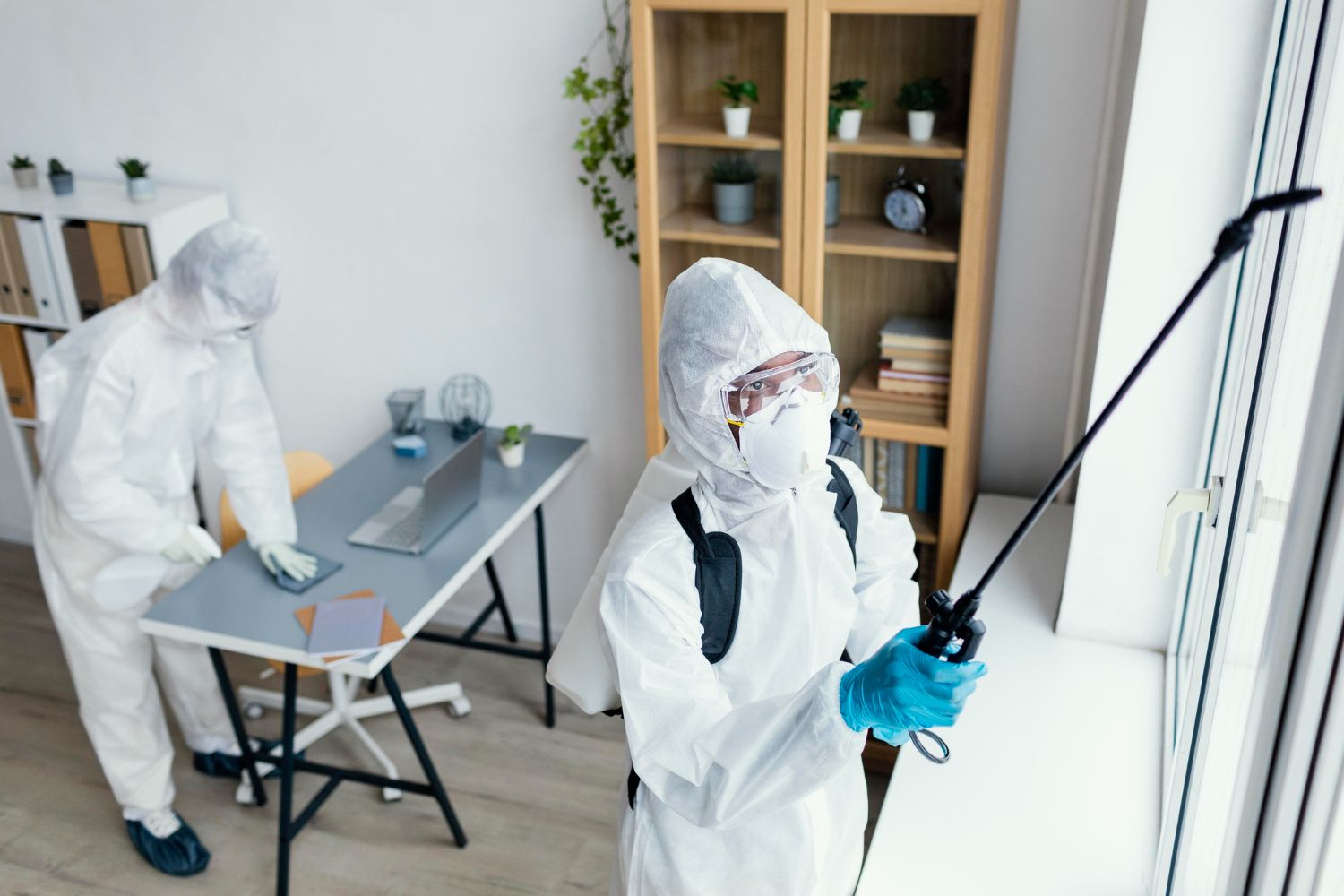
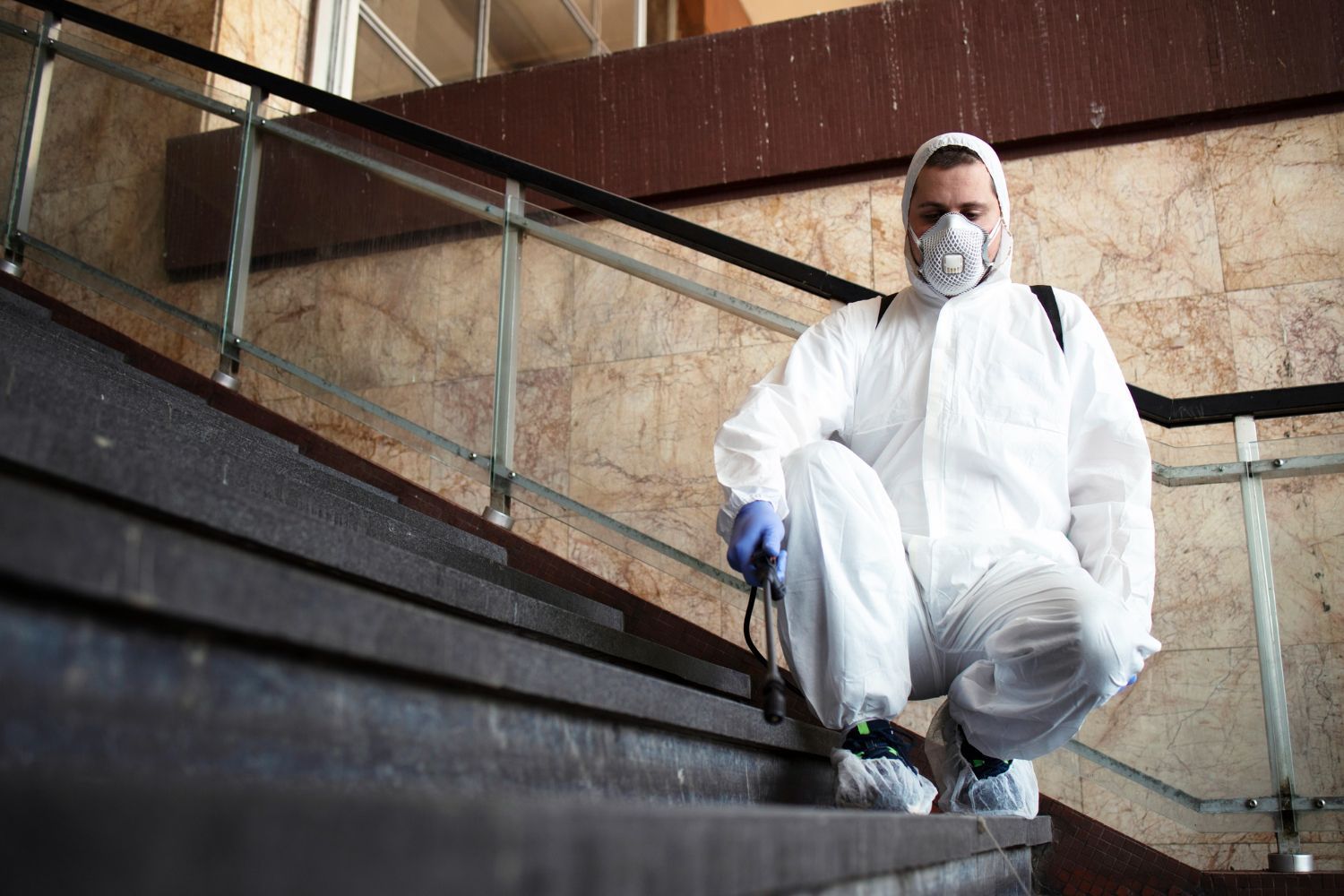
If the affected area is large or keeps returning, contact mold remediation Boca Raton professionals. They have tools and training to handle contamination safely.
For larger infestations, Mold Removal Services ensures spores are removed properly and helps prevent future growth.
How Florida’s Climate Increases Mold Risk
Boca Raton’s coastal climate creates constant moisture challenges. Summer humidity levels often exceed 70%, according to the National Weather Service.
Frequent rainstorms and hurricane season also increase indoor moisture. This makes learning how to tell if you have mold in Boca Raton even more important for homeowners in the area.
Protecting Your Home and Family
Prevention is easier than repairing. Keep indoor humidity between 30% and 50%. Use dehumidifiers and maintain your air conditioning system.
Fix leaks quickly and clean damp areas right away. Small steps can protect your home from large repair bills.
Conclusion: Act Before Mold Spreads
Knowing how to tell if you have mold in Boca Raton can save your home and protect your health. Early signs like a musty smell, wall stains, allergic reactions, and recent water damage should never be ignored. Mold grows fast in humid climates and can spread behind walls before you see it.
If you suspect mold in your home, do not wait until the damage becomes severe. Schedule a professional inspection today , to protect your property and your family’s well-being. Early action makes all the difference.
Frequently Asked Questions (FAQs)
How can I tell if mold is behind my walls?
If you notice a musty smell, peeling paint, warped drywall, or soft spots on walls, mold may be hidden behind the surface. Professional Mold Testing Services can confirm hidden growth.
Does mold always have a strong smell?
Not always. Many cases produce a musty smell, but some mold growth may not have a noticeable odor, especially in early stages.
Can mold cause serious health problems?
Yes. Mold exposure can cause allergic reactions, breathing problems, asthma flare-ups, and skin irritation. Sensitive individuals may experience stronger symptoms.
How quickly should I act after water damage?
You should dry affected areas within 24 to 48 hours. Mold can begin growing within that time if moisture remains.
When should I call a professional for help?
Call a professional if mold covers a large area, returns after cleaning, or if family members experience ongoing allergic reactions. Experts in mold remediation boca raton can inspect and treat the issue safely.
Recent Post